
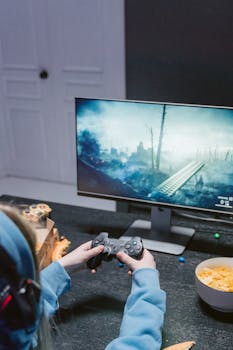
Relaxing Casual Games Perfect for Stress-Free Play
If you’re feeling overwhelmed, stepping into the world of digital distractions offers a unique escape. The gentle routines of relaxing casual games fill quiet moments with easygoing fun.
People value downtime and meaningful rest in their daily rhythm. Finding joyful routines means discovering activities that soothe nerves, restore calm, and make free time truly restorative.
This guide explores how relaxing casual games can reshape your breaks, offering playful, stress-free experiences to recharge both your mood and your mind.
Transforming Stress through Mindful Gaming Routines
Building lighthearted routines with relaxing casual games replaces pressure with comfort. Players report saying, “Even ten minutes helps me let go and reset.”
Opting for games that reward the journey rather than perfection shifts your mood by focusing on simple progress, not high scores or competitive rankings.
Start Small: Ten-Minute Wind-Down Sessions
Try embedding a brief session before dinner or bedtime. Many players open a calming title and say, “I’m just here to unwind for a few minutes.”
Notice your outlook improve after short, nourishing play. Keep expectations low—one easy round or a few relaxed puzzles is enough to refresh your focus quickly.
Use these mini-sessions to smooth transitions between responsibilities, helping your mind switch from work mode to rest without abrupt drops in energy.
Creating a Calming Home Environment
Choose your quietest room, dim the lights, and keep a favorite drink nearby. Mimic the atmosphere of a peaceful nook when playing relaxing casual games in the evening.
Community members recommend putting their devices on “Do Not Disturb” to shield their quiet retreat from interruptions—prioritizing calm makes every session feel protected and restorative.
This intentional approach turns casual gameplay into a cue for unwinding and signals to your brain that relaxation time is truly yours, not a shared obligation.
| Game Name | Session Length | Best Time to Play | Takeaway |
|---|---|---|---|
| Garden Builder | 5-15 minutes | Midday break | Quick relaxation with nature-themed puzzles boosts midday energy. |
| Tile Match Zen | 10-20 minutes | Evening wind-down | Matching tiles soothes nerves after work for a gentle transition. |
| Flow Path | 5 minutes | Waiting in line | Super-short sessions keep you relaxed and entertained anywhere. |
| Painting Calm | 15-25 minutes | Post-dinner | Coloring or painting games foster mindfulness during quiet nights. |
| Cloud Drift | 3-10 minutes | Morning start | Low-pressure exploration resets your mood for the day ahead. |
Identifying Key Features of Effective Relaxation Games
Getting the most from relaxing casual games means recognizing key features: slow pacing, positive feedback, and welcoming visuals transform ordinary sessions into pockets of relief.
Strategic choices ensure each game supports your well-being. Focus on titles built for rest, not endless competition or timers.
Spotting Soothing Mechanics
Choose games with gentle soundtracks, soft backgrounds, and subtle animation. Titles with meditative rhythms allow breathing room and foster a sense of gentle momentum, never rushing players.
Look for games that avoid frantic scoring or aggressive time limits. Instead, let colorful visuals and natural growth cycles invite carefree exploration at your own comfortable pace.
- Choose turn-based gameplay to eliminate pressure and savor decisions at your speed
- Prefer artful visuals with muted tones and simple layouts to relax your eyes while playing
- Embrace light, ambient music—this can calm racing thoughts and support focus
- Prioritize titles where the primary action is gentle, such as arranging objects or tending virtual plants
- Avoid excessive notifications or leaderboards that can distract from the stress-free environment you want
Simple mechanics and a welcoming tone ensure that every play session in relaxing casual games is a mindful break rather than another source of stress.
Building a Go-To Playlist for Unwinding
Regular players recommend curating a digital playlist of favorite relaxing casual games for different moods or times of day, much like a music mix.
Keep quick-access icons on your home screen labeled by mood—“quiet,” “creative,” or “nature”—so you’re never hunting for titles when you want instant calm.
- Categorize games by the vibe each delivers—soft, whimsical, or energizing—so at the end of a long day, you’re guided directly to relief
- Create two lists: one for solo reflection, one for family-friendly play, allowing you to choose open social fun or private relaxation
- Periodically update your playlist with new releases—fresh options can rekindle your enthusiasm for daily restoration
- Rotate games to avoid burnout; experimenting with new mechanics can renew your sense of curiosity and mindfulness without adding pressure
- Share playlists with a partner or friend who seeks stress-free fun, fostering shared calm moments that connect without competitiveness
Keeping your library curated lets you move straight from intention to action, making each relaxation break easy to start and sustaining the benefits longer.
Using Gameplay Scenarios to Replace Worry with Calm
Trying new relaxing casual games during tough moments can give tangible relief. A classic scenario: “I’m waiting for results, so I’ll play to stay present and distract my mind.”
Switching Modes: From Problem-Solving to Play
Avoid ruminating by shifting focus. Open a favorite game, saying, “I’ll tend my virtual garden instead of pacing the room.” This creates a direct path from worry to engagement.
Smooth touch gestures, repetitive tile-matching, or arranging soothing visuals tap into satisfying routines that ground you in the moment, acting as emotional circuit breakers.
Players report anxiety drops as they “get caught up by just moving colors or stacking shapes,” making this hands-on break a preventive routine they rely on regularly.
Scripted Downtime: What to Say to Yourself
Create a mantra for gameplay transitions: “Now is game time, not worry time.” Use this line aloud before starting—associating play with intention strengthens positive habits over time.
If you catch yourself spiraling, say, “I can pause, play, and return with more perspective.” This permission lets you claim sessions for recovery, not avoidance.
End your break with gratitude: “That was good for me.” Articulating the value of relaxing casual games rewires each moment as a win for self-care rather than wasted time.
Structuring Mini-Breaks for Positive Impact
Allocating intentional pauses during your schedule reserves mental energy. Five-minute breaks using relaxing casual games reset your mood and sharpen focus before tackling next steps.
Try this step-by-step plan: align breaks with natural pauses, like between meetings or after chores, to ensure they refresh rather than disrupt. Record how you feel after each attempt to chart your progress.
Mini-Break Checklist for Restorative Play
Set a timer for 5–10 minutes. Announce to yourself, “This time is just for unwinding.” Silence notifications to prevent interruptions before opening your go-to game.
As you begin, notice body tension and take three deep breaths while the game loads. If you find yourself distracted, gently steer attention back to a simple in-game action.
After the timer ends, close the game and check in: Are you calmer? This feedback loop builds a habit around using relaxing casual games for measurable mental recovery.
Analogies for Immediate Results
Think of mini-sessions as mini-stretches. If you stretch every hour, you avoid cramps. Likewise, five minutes of play prevents mental knots before they tighten.
Mimicking a good stretch, these game breaks release “mental tension”—let visuals and gentle music stretch your spirit, not just your mind, so you stay limber and adaptable throughout your day.
If an analogy motivates you, script this: “Like stretching, this game session preps me for what’s next.” Connect that feeling to your routine for lasting positive change.
Calm Social Play for Connection without Pressure
Connecting through relaxing casual games can transform solo downtime into shared joy without anxiety. When you invite someone, saying “Want to play something chill together?” you foster openness, not competition.
Games that encourage collaboration over rivalry reinforce connection, letting friends and family join for chats while gardening, coloring, or calmly solving puzzles as a team.
Scripts for Stress-Free Invitations
Avoid “Do you want to win?” Instead, try, “Would you like to relax with this game?” Spoken calmly, this instantly signals low-pressure, fun-first intentions.
If you sense hesitancy, add, “We can just play for a few minutes, no scores needed.” This reassures every player that their presence, not their performance, matters most.
Afterward, reinforce positive moments by sharing what you enjoyed—“That flower looked great!”—helping everyone feel good about participation rather than achievement.
Designing Group Sessions that Lower Tension
Choose games with turn-taking or collaborative elements. For example, pass a tablet for players to each complete a puzzle step, saying, “Let’s see what shape you’ll make next.”
This style invites laughter and creativity, focusing energy on peaceful interaction rather than tracking points. People naturally relax when play feels communal and gentle.
If schedules are tight, choose quick titles and set a finish line: “We’ll play for fifteen minutes, then break.” Predictable sessions keep the tone light and friendships intact.
Daily Restoration: Building Habits with Relaxing Casual Games
Set a habit by linking relaxing casual games to daily rituals. Pair a game session with morning coffee to anchor your day in purposeful calm and mindfulness instead of scattered urgency.
Rely on steadfast timing—like after dinner—as a social cue for family or personal downtime. These gentle routines encourage everyone to associate games with comfort and relaxation.
Reflective Journaling After Play
Keep a simple notepad nearby to jot one note post-session: “What lifted my mood?” Writing this after playing cements the positive impact, reinforcing why you return day after day.
This journaling step also lets you spot favorites and chart which relaxing casual games offer true recovery throughout changing moods, seasons, or stress levels over time.
If you feel stagnant, flip through old notes. Quickly rediscover which game brought out the most encouragement during tough weeks—now you know what to play first next time.
Pairing Rituals with Play
Start every session by lighting a scented candle, greeting your pet, or sipping warm tea. Tie that action to opening your favorite game for an inviting, multisensory cue.
This pairing strengthens the relaxation effect by blending games with soothing details from your physical environment, making play a holistic pause full of personal meaning.
Share these rituals in a short script with family: “Every night, we light the candle and play together.” Repeating cues build tradition around restful moments, deepening their daily impact.
Takeaways for Daily Restoration with Relaxing Play
Regularly choosing relaxing casual games rewires downtime as nourishing instead of passively spent. Every intentional session becomes a practical, restorative tool for stress management.
Recognizing the calming, community-building power of these games helps you enrich your daily life with relaxation, creativity, and playful connection—all with minimal effort or planning required.
With each gentle session, you’re not just filling time; you’re investing in your own ease, clarity, and well-being. Let the world of relaxing casual games accompany you whenever peaceful joy needs a boost.