
Strategy Challenge Games for Tactical Thinkers: Outwit, Adapt, Win
Craving games that demand brainpower and not just reflexes? Try flexing your mind with a fresh session of strategy challenge games for a satisfying mental workout every time you play.
Strategic gameplay sharpens decision-making, patience, and adaptability. Rather than racing through levels, you plan, anticipate, and react thoughtfully, gaining confidence with each victory and setback.
Throughout this article, you’ll discover practical techniques, realistic scenarios, and actionable steps designed for tactical thinkers who want to get more out of their favorite strategy challenge games.
Choosing Strategy Games That Match Your Thinking Style
Picking strategy challenge games well matched to your strengths ensures deeper engagement and more rewarding wins. Use these table-driven contrasts to make selections that suit your playstyle and goals.
Ask yourself, “Do I prefer turn-based planning or making real-time choices under pressure?” When you know the answer, you’ll pick the most satisfying strategy challenge games for each session.
Turn-Based Scenarios That Reward Deliberate Planning
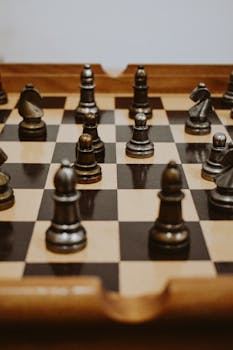
Imagine you’re analyzing the board in a complex digital adaptation of chess. With no countdown clock ticking, you pause and weigh each possible move and its consequences.
Your process might sound like, “If I push the knight here, their bishop will check me. But if I develop my rook on the next round, the tempo shifts my way.”
This slow-burn, calculated style of play in strategy challenge games encourages deeper thought, rewarding anticipation and thoughtful sequencing. Each turn becomes a mini-puzzle.
Real-Time Tactics For Responsive Thinkers
In contrast, real-time strategy challenge games thrust you into dynamic situations. You might face a blitz of enemy units, your resources draining as you multitask between building and defense.
You hear yourself thinking, “Divert more drones to ore fast, shift units to the west, and research defenses now!” Hands move in sync with your strategic directives.
This energizing, multitasking-focused model rewards players who stay calm under pressure, adjusting on the fly. React quickly and you’ll stay ahead of your rivals.
| Game Type | Player Actions | Pace of Play | Takeaway for Newcomers |
|---|---|---|---|
| Turn-Based Tactics | Plan and sequence moves | Slow and deliberate | Select if you enjoy thoughtful analysis and maximizing each turn |
| Real-Time Strategy | Multitask and manage resources | Fast and adaptive | Try if you enjoy challenges that demand quick thinking |
| Puzzle Strategy | Solve scenario-based problems | Moderate | Ideal for people who like a mix of planning and gradual challenge |
| Sim Management | Oversee growth and logistics | Variable | Pick when you want control from a big-picture view |
| Card-Driven Strategy | Adapt to chance and risk | Typically moderate | Great for risk-takers who enjoy reacting creatively to randomness |
Building a Tactical Mindset One Move at a Time
Strengthening your tactical mindset transforms every strategy challenge game session into a positive growth experience. Each choice builds pattern recognition and calculated risk skills for future situations.
Try thinking aloud—describe your move to yourself, reasoning out alternatives and reflecting on possible outcomes. This habit anchors your process and helps refine future decisions.
Checklist: Pre-Action Questions That Sharpen Decisions
Keep this checklist by your keyboard or controller to ensure intentional, tactical choices. Before making a move, ask yourself:
1. What is my objective right now?
2. What does my opponent want?
3. What information am I missing?
- Pause before every decision: It slows down impulsiveness and makes your moves more deliberate, improving outcomes in strategy challenge games.
- Explain your logic out loud: This reveals weak assumptions and deepens your understanding of each move’s impact and possible alternatives.
- Write down mistakes: Create a running list to review later, so you can spot habit loops and disrupt them next time.
- Replay major turns: Take five minutes post-round to study how your tactics shifted the outcome and journal what you’d adjust next time.
- Share moves with friends: Use chat or video to explain your logic so you process cause-and-effect more thoroughly.
By weaving these strategies into your sessions, you shape both real-time and turn-by-turn thinking for better results.
Recognizing Patterns to Predict Future Outcomes
Pattern spotting elevates your performance across all strategy challenge games. Notice repeated enemy behaviors or resource trends; then, test counters and observe their reactions.
- Track enemy moves: Record patterns like “rush in round three” and stay prepared to intercept or counter these attacks.
- Identify resource cycles: Recognize production rhythms—the moment you collect enough resources, plan your upgrades rapidly.
- Anticipate repeat tricks: Build a short script: “If the AI blocks my left flank twice, I switch my attack to the right in the next cycle.”
- Use color/shape cues: Many games signal events visually—spotting these early helps minimize surprises or ill-timed moves.
- Document & reflect: Make notes after each game session, so you maintain awareness of which patterns are recurring and how you can use them proactively.
Pattern mastery in strategy challenge games makes tactical predictions second nature over time.
Building Adaptive Strategies for Varied Game Formats
Playing across multiple game types sharpens adaptability—a critical asset in strategy challenge games. Try switching formats weekly to experience new decision models and risk profiles.
Today, rotate from a city builder to a tactical card battler, then cap it off with an hour of classic real-time warfare to stretch all your strategic muscles.
Coping with Losses by Revisiting Key Decisions
Losing pushes tactical thinkers to rethink approaches. After a tough round, resist blaming luck—use replays and move logs to flag what shifted momentum.
Ask yourself, “Which move let my opponent gain an edge?” Write that move’s details, then set a new goal for your next round—like delaying or accelerating your next upgrade by three turns.
Loss review builds humility and focus, turning setbacks into springboards for stronger performance in future strategy challenge games sessions.
Learning From Others and Seeking New Playstyles
Join message boards or streamers that showcase advanced play. Observe their body language after wins or devastating losses—quickly switching expressions, tapping feet, or leaning closer to the screen reveals attention to detail.
Copy or adapt sequences like “stack economy first, push attack second”. Trying their micro-routines helps break rut habits and injects novelty during your own strategy challenge games matches.
Share what you’ve learned with friends through co-op sessions or short, playful competitions. Growth accelerates when everyone pushes to improve together.
Integrating Strategy Challenge Games into Daily Life
Integrating strategy challenge games into daily routines boosts both fun and cognitive agility. Fit a shorter, tactical round in the morning or during lunch for a swift mental refresh.
Balancing gaming and responsibilities works best with realistic scheduling. Try “I’ll play two ranked matches once chores are done,” or “Thirty minutes of puzzles after a workout.”
Scaling Difficulty for Lifelong Growth
Increasing difficulty keeps engagement high. Start each week at a baseline challenge, then unlock tougher scenarios as your proficiency grows in more complex strategy challenge games.
Test progress by returning to earlier levels—notice what once felt hard now comes quicker. Share these results online or with gaming friends so you can celebrate visible growth.
The cycle of challenge, review, and re-engagement powers sustained development for any tactical thinker.
Applying Tactical Skills Outside the Game
Skills from strategy challenge games carry over into conflict resolution, negotiation, and time management outside your monitor. Use the “risk assessment” habit for work or personal goal planning.
For example: “Should I tackle the hardest task at work now, or build a safer route by prepping for tomorrow?” This mirrors the tradeoff analysis made in-game.
Through daily application, every hour in strategy challenge games becomes an investment in sharper real-world judgment and foresight.
Planning Ahead: Developing Consistency from Game to Game
Developing consistency in strategy challenge games prevents wasted efforts and abrupt stalling. Genuine improvement shows as you apply winning habits from one match directly to the next.
Map out your first five actions before you start. Write them down: “Scout early, expand economy by round three, set one defense upgrade, attack from the north, and monitor stats.”
Routine Reviews to Identify Strengths and Weaknesses
Post-game debriefs help highlight efficiency and pinpoint slip-ups. Note three successful plays and three decisions needing adjustment in a simple journal after every game.
Score your sessions: rate resource management, timing, and adaptability out of five. Trends emerge fast—when you see, say, a consistent dip in defense management, make it the next area of focus.
Combine this reflection with weekly reviews to fortify your improvement loop and track achievement growth over several months of strategy challenge games.
Adjusting Tactics When Facing Stronger Opponents
Facing tough competition clarifies gaps in your planning. Watch, copy, and then improve on the top moves you observe during matches with friends or in online tournaments.
If you hear “Their build order is flawless,” pause and model your next three sessions using their sequence, tweaking one element each run for personal fit and surprise value.
Tougher matches force real-time adjustments, keeping you agile and responsive under pressure in all avenues—not just strategy challenge games.
Developing Social Play: Using Collaboration for Sharper Tactics
Playing strategy challenge games with friends enhances communication and creative problem-solving. Every team match becomes an arena for idea exchange, role balancing, and tactical improvisation.
Make time for regular group sessions, then rotate leadership roles and experiment with wild-card tactics (like “all defense, then sudden switch to surprise offense”).
Encouraging Feedback and Role Exchange in Teams
Ask teammates for frank feedback after matches. “What was our weak link? Where did I overextend?” Listen for specific examples and thank contributors for honest insights.
Experiment regularly: have your attack specialist try defensive play, while your logistics guru coordinates a front-line push. Unique perspectives surface as players tackle new roles.
Keep group morale positive by rewarding risk-taking rather than only celebrating flawless wins. Everyone gets better through learning moments in strategy challenge games.
Building Trust Through Consistent Communication
Set clear expectations at the start: “Call targets early and flag resource needs ASAP.” This up-front clarity prevents missteps during rapid battles or tense turns.
Have an end-of-session ritual—switch to chat, recap successes, and share “next round” goals together. Group celebration cements lessons and amplifies fun.
Through shared trust and communication, every victory and defeat builds a more cohesive, battle-ready team for all strategy challenge games ahead.
Sharpening Focus and Tactical Confidence for Lasting Growth
Strategy challenge games reward patience, observation, and smart coordination. Each game is an opportunity to strengthen decision-making and adaptability through concrete actions, reviews, and feedback routines.
Developing a personal improvement system will serve tactical thinkers well in every match. Stay mindful of your process, document progress, and regularly tweak your routines to maintain steady growth.
Whether competing solo or collaborating as a team, immersive play in strategy challenge games will sharpen life skills and provide ongoing rewards—on and off the screen.