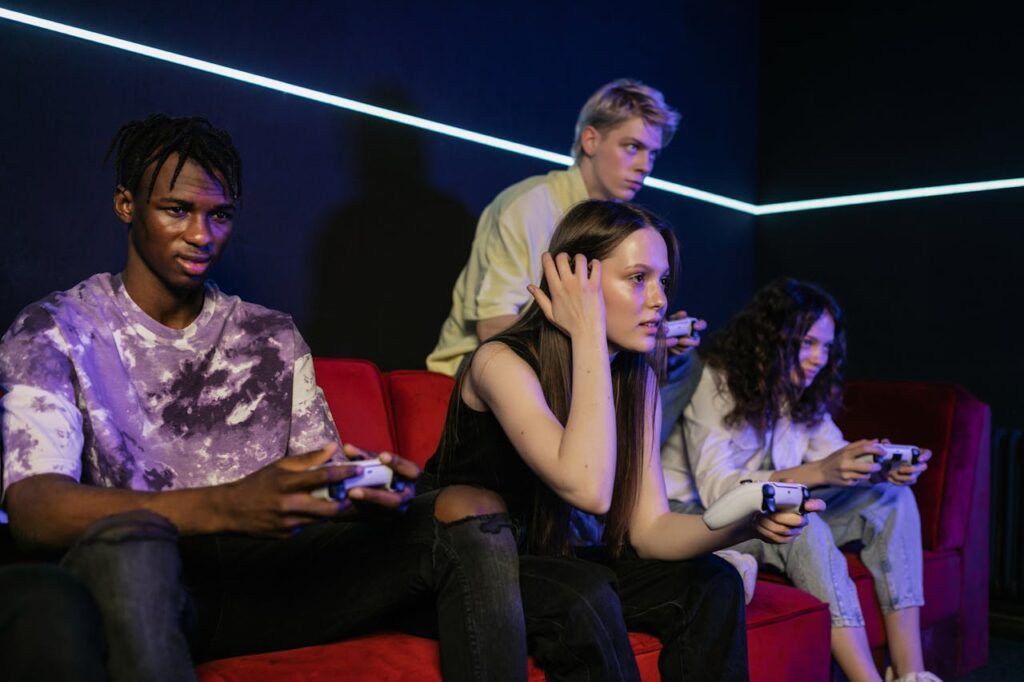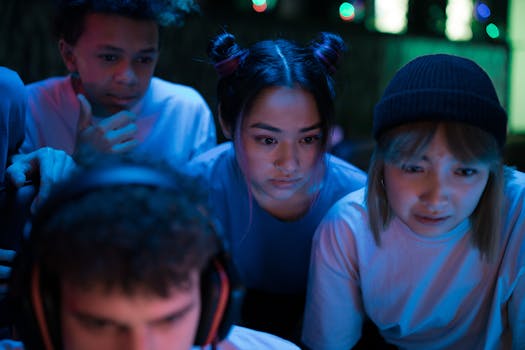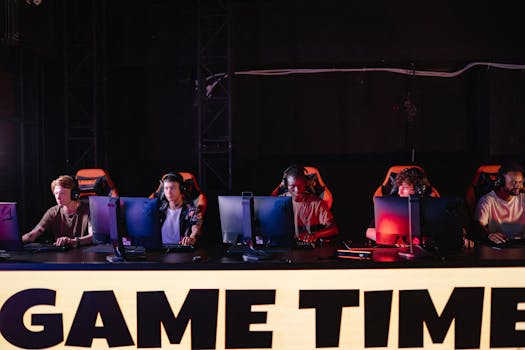
Close-up of gamers using mechanical keyboards during an intense esports session.

Reaction Time Training for Competitive Gamers: Proven Steps to Get Faster

Reaction Time Training for Competitive Gamers

Picturing those incredible split-second plays, gamers everywhere wonder if faster reflexes can be built. Gamers hear “reaction time training” tossed around so much, but what actually works in real games?

Milliseconds can separate the champion from the runner-up. Gamers who react instantly—without freezing or second-guessing—see better results, higher win rates, and more confidence during tournament play.

This article dives deep into reaction time training for competitive gamers, showing tested methods, daily routines, and actionable scripts that’ll help you see measurable reflex gains.

Setting Up Your Environment for Optimal Reaction Gains

Dialing in your setup makes a measurable difference before any drills. Here’s how small tweaks can immediately help your reaction time training efforts pay off with smoother, faster responses.

Lighting, chair position, and mouse surface all shape your ability to react instantly. Most players miss out on low-hanging tweaks they can try today and use as a baseline for progress.

Create Consistent Lighting Conditions

Stable, glare-free lighting keeps eye strain at bay and makes incoming targets easier to track for your brain. Copy tournament setups: use a soft desk lamp aimed away from your screen.

Poor lighting causes your eyes to tire early, lowering your responsiveness. If your hands get clammy reading leaderboard times, check that your light source doesn’t cast shadows over your mousepad.

Many top players say, “Before every boot camp, I reset my desk lights to match the stage show.” Try it—take ten minutes to standardize your light for reaction time training drills.

Adjust Chair and Monitor Height Precisely

A monitor centered at your gaze keeps all action in your most responsive visual field. Tilt your head to look: discomfort means you’re losing vital reflex milliseconds.

Seat posture matters just as much. If your mouse arm lifts above your shoulder or droops lower, realign your chair to keep it at desk height. This minimizes unwanted pauses mid-flick.

Consider this analogy: adjusting your setup is like tuning a bicycle seat before a sprint. You’ll unlock smoother effort and faster starts for every round of reaction time training work.

Setup Element Ideal Setting Impact on Reaction What to Adjust Next
Lighting Soft, no screen glare Reduces eye fatigue, sharper visuals Check bulb type and angle
Chair Position 90-degree knee bend Promotes steady hand movement Adjust seat height daily
Monitor Placement Eye-level, 20 inches away Optimal visual response area Stack books to test
Mousepad Quality Clean, wide surface Smooth, consistent physical action Wash pad weekly
Audio Setup Closed-back headphones Improves isolation, less distraction Switch modes before warmups

Daily Drills That Build Reliable Reflexes

Specific, repeatable drills accelerate reaction time training effects by creating new brain pathways. Use routines designed for real skill growth, not just random clicking.

Short, focused exercises reinforce not only speed but decision clarity—where your hands snap to the right move every time without hesitation.

Quickstart Drill: Flick-and-Click Routines

Set a ten-minute timer. Hit a random moving target on your screen as soon as it appears. Stay relaxed; tense arms mean slower reactions. Track a log of missed targets.

This routine simulates an in-game snap-shot against an unpredictable enemy. Use a browser-based aim trainer to switch up distances and directions suddenly—you’ll see steady gains within a week.

  • Start with slow, controlled flicks before ramping up speed.
  • Log every missed shot, analyze what broke down.
  • Practice with both small and large targets for variety.
  • Relax your breathing between each attempt.
  • Finish with five perfect runs for confidence.

Copy this checklist: “Today, I’ll finish three sets of ten, aiming to reduce missed flicks by two.” Consistency makes progress stick in reaction time training.

Reaction Step Sequence: Keyboard Drills

Set a color-changing light or on-screen cue. When the light flashes, tap a designated key as fast as you can. Alternate keys between each rep for brain engagement.

Time each reaction, using a stopwatch or a simple browser tool. Look for decreasing milliseconds. If times plateau, switch fingers or reposition your keyboard for comfort.

  • Alternate cue colors to surprise your brain.
  • Limit drill sessions to ten minutes for freshness.
  • Stretch hands before and after to prevent stiffness.
  • Test different keyboard angles for wrist comfort.
  • Review your log to find patterns in slow reactions.

Apply: “I’ll run two drill rounds during warmup, then repeat before ending.” Regular keyboard cues solidify reaction time training as a daily habit.

Tracking Reaction Improvements With Simple Tools

Using basic timing tools shows whether your reaction time training is working. Real progress is visible and trackable when you measure steadily, instead of guessing improvements.

Baseline benchmarks—recorded with free browser apps or phone timers—motivate you by confirming actual times dropping each week as your system adjusts to daily training.

Set Up a Reaction Log for Motivation

Draw a grid in a notebook, with columns for drill type, score, misses, and best time. After every session, fill in your top three times and any patterns noticed.

If your best time improves by even five milliseconds, that’s progress. Highlight your top days and schedule rewards for beat-the-clock streaks: “If I drop under 200ms, I’ll take a break!”

This reinforcement makes reaction time training stick. You’ll see proof and feel the excitement with every positive entry and new milestone reached.

Compare Progress Across Devices

Gamers sometimes perceive improvements on one setup but not another. Try logging results during drills on your main PC, a laptop, or even your phone for variety.

If you see gains staying consistent everywhere, confidence increases. If reaction time dips on certain hardware, tweak your monitor or control setup—differences show what needs focus next.

This comparison helps keep reaction time training honest and ensures device changes don’t undo your hard-earned improvements.

Integrating Reaction Time Training Into Team Scrims

Incorporating regular reactive drills into scrims gets squads sharp. Teams who share their routines see better group reflexes and faster coordination during tournaments or high-stakes matches.

Communication is vital: teammates say, “Cue!” or provide a target, tracking each other’s performance mid-scrim. This keeps everyone aligned on growth versus solo improvement.

Pre-Scrim Warmups That Sync Team Reflexes

Before boot camp scrims, warm up as a unit with a reaction matrix drill. One player calls a direction, the rest respond—left, right, center, or jump instantly. Switch callers every round.

This builds not only speed but trust. If one person’s reaction lags, teammates spot it and encourage a fix. Cover the basics: warm hands, calm breathing, and positivity before drills.

Applying reaction time training before scrims transfers directly to clutch situations—a single team miscue gets corrected quickly on the spot, boosting group wins.

During-Scrim Reflex Challenges

Insert surprise events mid-scrim—like forced retake scenarios or fake enemy cues—right after a scrim round ends. Announce, “Reflex test!” and watch who moves first and fastest.

Log each player’s response. Reward the winner each time. Over several sessions, you’ll see team reaction averages drop even as stress rises—mirroring on-stage moments.

Blending these micro challenges into practice bakes reaction time training into daily team culture, not just individual prep.

Applying Reaction Time Training Under Tournament Pressure

Practicing reactive skills under match pressure builds resilience so clutch moves aren’t just lucky. Tournament nerves add milliseconds, so training for stress is a must for reliable play.

Simulate stage pressure: dim the lights, pump in fake crowd noise, and record a video of yourself. Perform a drill, then self-review to find hiccups that only show under stress.

Micro-Tasks to Handle Nerves and Speed

Use short breathing exercises right before a tournament round. Try box-breathing while visualizing a perfect snap-shot. This combo helps you stay loose and prime your system for instant reactions.

Set small, controllable performance goals under pressure: “React within 230ms for 10 rounds straight, no matter who’s watching.” Reward yourself, not just for speed, but for composure.

Reaction time training under pressure means rehearsing as you’ll compete, not just grinding drills quietly at home.

Debrief and Adjust Based on Real-Game Experience

After matches, note exactly when your reactions “froze” or missed—the minute, the move, the on-screen prompt. Ask teammates for feedback: “Did you notice my aim slowing?”

Use this info to refine drills, simulate more realistic cues, or layer pressure steps onto future sessions. Replicating tournament stress during reaction time training accelerates adaptation.

Specific, feedback-driven tweaks ensure every week brings new, real skills that stand up to public, high-stakes tests.

Reaction Time Gains: Habits That Sync With Everyday Life

Building daily habits links reaction time training to routines outside gaming. Consistency—brushing up each morning or after meals—cements new reflexes by wiring brain responses into muscle memory.

Turn routine moments into practice chances. Tap your desk as soon as your phone rings, or answer a text at lightning speed. Each micro-rep strengthens your response capacity.

Link Training to Other Daily Actions

Layer a trigger on top of an existing habit, like opening your laptop or pouring coffee. Add a 30-second reaction time drill right after for steady, incremental progress.

Example: Every morning, after you check your calendar, run three quick mouse-tab reaction drills before loading your first app. Stack routines to weave training into daily rhythm.

This approach turns reaction time training into a habit, not a chore. Over weeks, gains show up naturally in game performance and general alertness.

Everyday Analogies: Applying Reflex Skills Beyond Gaming

Just like quick reflexes help catch a falling glass in the kitchen, sharpened reactions keep you ahead in-game. Copy this principle everywhere—practice being the “first to act” in casual moments.

Encourage family or friends to join in: announce, “First to notice the microwave beep wins!” Turning tiny challenges into playful contests brings reaction time training into your daily environment.

With repetition, you’ll notice snappier reflexes both with and without a mouse or controller, reinforcing both gaming and daily life readiness.

Conclusion: Making Every Millisecond Count in Your Gaming Journey

Consistent reaction time training—applied to environment, drills, teams, and routine—makes the difference for successful competitive gamers. Each method builds skills that last through pressure and challenge.

Detailed logs, daily micro-drills, and regular measurement all pay off as tangible speed, better decision-making, and confidence in tense moments. These combine to transform more than just scoreboard stats.

Gamers who build these habits see improvements everywhere. Treat reaction time training as ongoing, and you’ll gain the edge—not for a single match, but for every game you play.

Leave a Comment

Your email address will not be published. Required fields are marked *