
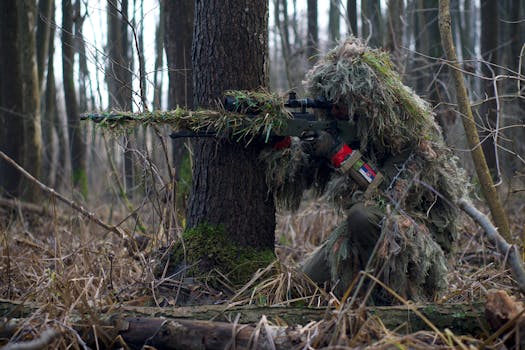
Positioning Awareness Skills for Survival Gameplay: Techniques That Keep You Safe
Stepping into a challenging survival game can feel like wandering through a dense forest at night—one wrong move and you’re out. Navigating threats is easier when you develop positioning awareness skills, quietly setting yourself apart from less-prepared players.
Every experienced survivor credits their ongoing success with these game-changing tactics. Knowing when to advance, where to hide, and how to react can turn even a shaky start into a smart finish.
Ready to improve your odds? Keep reading to see how strong positioning awareness skills can help you spot threats faster, outmaneuver opponents, and last longer in every high-stakes round.
Recognizing Safe and Unsafe Zones in Real Time
Identifying which parts of the map shield you from opponents will raise your survival rate immediately. This awareness helps you avoid ambushes and reach end zones more safely.
Let’s start with a practical example: you enter a new area, and there’s minimal cover. By default, treat open ground as unsafe until you have more information on enemy positions.
Using Landmarks to Anchor Decisions
Larger rocks, ruined vehicles, or dense bushes can act like real-world streetlights; pin your plans to them. When you reach cover, pause and scan for movement before you cross further.
Good positioning awareness skills mean you don’t guess—you confirm. Pause once behind cover, ask: “Do I see movement, shadows, or sound cues from rivals nearby?”
If so, keep your location hidden, and move only when you’re certain the enemy’s not scanning your approach. Don’t linger too long; the risk of being spotted rises over time.
Red Zones and Risky Corridors
Sprinting across streets or valleys? These are like crossing a busy road without looking both ways. Run only after you’ve watched for enemy locations and plotted your next stop.
One player might say, “I’ll dash when that sniper’s distracted or behind cover.” Use opportunities when gunfire or explosions force attention elsewhere—never cross blindly.
When you must cross, zigzag, avoid predictability, and use distractions—like gunfire from another squad—to sneak through these exposed corridors with minimal risk.
| Zone Type | Cover Available | Threat Level | Best Action |
|---|---|---|---|
| Urban Alley | Moderate | Medium | Advance using walls, stop at corners, look both directions |
| Open Field | None | High | Quick, unpredictable sprint, change route mid-run |
| Dense Forest | High | Low | Move crouched between trees, scan for movement |
| Hill Top | Low | Very High | Stay behind ridge, never stand on skyline |
| Building Interior | High | Medium | Quiet movement, check all doors and stairs, listen carefully |
Applying Movement Patterns to Avoid Detection
Selecting the right movement strategy means the difference between escaping unnoticed or drawing lethal attention. Mastering dynamic motion will keep you alive longer.
Visualize a scenario: crossing an open road, your survival relies on walking, crouching, sprinting, or crawling. Each movement suits different contexts, so mix them as necessary.
Transitioning Between States Smoothly
Initiate movement by plotting safe zones, then blend walking with bursts of sprinting. If you suspect a nearby enemy, switch to crouching or prone to conceal your location.
After reaching cover, slow your pace to reduce noise. “I’ll crouch here and scan before pushing up,” a savvy player thinks, never assuming safety until proven.
- Blend slow crawls behind cover with sudden sprints between obstacles to avoid becoming target practice for hidden snipers or scouts waiting for easy shots.
- Pause after crossing danger zones to check for enemy reactions. This resets your mental map and lets you plan the next move based on evolving threats nearby.
- Make detours around obvious danger spots, even when it requires extra seconds. The cost of exposure outweighs lost time, especially in final shrinking circles.
- If teammates warn of enemy eyes ahead, drop to a crawl or use foliage for masking. Clear communication aligns positioning awareness skills across the squad.
- When making noise is unavoidable—like smashing a window—change your position immediately to dodge incoming checks from nearby players alert to sound cues.
Diversify your movement so hostile observers can’t predict your path or position. Every change adds seconds to your survival clock.
Aligning Movement with Terrain Features
Link your movement sequence with nearby obstacles. If a wall runs alongside your path, hug it to minimize exposure, using it as a mobile shield against line-of-sight.
Keep your profile minimized by crouch-walking behind stones or bench-level cover. Each time you pivot around an object, pause to assess new angles, never charging blindly ahead.
- Stick to the outside edges of forests, using tree trunks as shields before sprinting across clearings. Always ask: “Where can I hide if someone fires?”
- Vault over short walls for faster escape instead of running the long way. Look, jump, and keep moving. Don’t loiter after the noise draws attention from rivals.
- Slide into ditches or ravines for quick protection when caught in the open. It’s better than exposing yourself while running to distant, visible cover points.
- Pivot behind vehicles in urban areas—doors, trunks, and wheels give partial protection. Adjust your stance to peek safely while tracking enemy movement nearby.
- Always transition smoothly; never freeze between obstacles. Every pause is a chance for enemies to line up a shot if your positioning isn’t unpredictable.
Over time, aligning movement with the layout of each map becomes second nature, sharpening those vital positioning awareness skills for survival gameplay success.
Reading Audio Cues and Visual Hints to Predict Threats
Leveraging sound and sight, you’ll sense threats before they fully emerge, offering a tactical edge that defines elite positioning awareness skills and reliable survival outcomes.
For instance, you might hear hurried footsteps approaching from the west, prompting you to change direction or ready your defense before the attacker arrives.
Turning Sound into Immediate Action
Each audio cue should trigger a quick evaluation. Soft footsteps upstairs signal incoming danger above; immediately decide: hold position, set a trap, or quietly exit downstairs.
Many players ignore subtle shifts—the gentle thump of a door opening or muffled reloads nearby. Document each sound mentally: “That click came from the hall, so someone’s watching the stairs.”
Let footsteps and ambient cues drive your playstyle; shift your position quietly if you hear movement, or freeze if an enemy scans your last known location for noise leaks.
Analyzing Visual Feedback for Safety Decisions
Notice a flicker of movement through partially open blinds? That’s not background scenery—it’s a live player. Use fast glances to spot rivals before they catch you peeking.
Keep your screen edges in your vision; shadow shifts or gun barrel glare give away campers. “A reflection behind the door—time to double back or ready an ambush.”
Update your map knowledge continuously with these micro-observations, turning quick scans into a habit that builds ever-stronger positioning awareness skills over time.
Adapting to Dynamic Map Changes with Flexibility
Survival isn’t static—the map keeps evolving. Adapting to shifting zones, weather, and obstacles builds adaptable positioning awareness skills essential for late-game dominance.
Imagine a shrinking safe zone forcing everyone inside unstable buildings. Anticipate bottlenecks and scout exits so you’re never caught without a path to safety.
Timing Transitions as Zones Contract
Set reminders for zone contraction warnings; when the siren sounds, ask yourself: “Do I have two exits planned? Is my route clear of high-traffic spots?”
Change your orientation as boundaries shrink, so you don’t face an unexpected wall or enemy cluster. “I’ll hug the blue boundary, letting chaos erupt ahead of me.”
Timing your moves after seeing where others go lets you avoid stampedes, using controlled pacing as a core part of your positioning awareness skills playbook.
Retasking Objectives as Terrain Changes
Flooding, shifting walls, or new hazards? Adjust objectives without delay. “That bridge is gone; I’ll swim downstream and regroup at the next dock for cover.”
Update teammates instantly about changed plans. “I’ll reroute—meet me at the gas station instead, the main road’s a no-go.”
Stay nimble: being inflexible locks you into losing scenarios. Nimble response is foundational for reliable positioning awareness skills and steady advancement.
Anticipating Opponent Movements Using Strategic Analysis
Predicting enemy tactics keeps you one step ahead. Analyze intent and patterns, slotting observations into your positioning awareness skills strategy for repeatable success.
Recreate rival mindsets: “If I were them, I’d wait here or circle wide to flank.” Practice reading others’ motives for more accurate decision-making.
Tracking Patterns and Habits of Common Foes
Log repeated behaviors: “They hug buildings after every loot; next time, I’ll set a trap near the exit.”
Body language reveals intent—watch for stop-and-go movement, erratic turns, or hesitation near corners. Each tells a story about their confidence and knowledge of your location.
Apply this mini-checklist for each area entered: “Where did enemies enter, pause, or exit last round? Were hiding spots used or ignored?”
Setting Up Predictive Positioning Based on Zone Logic
Safe zones usually channel players through predictable choke points. Use this logic to get ahead of the pack and claim the best ambush spots first.
If rivals must cross a bridge, position yourself near the exit—but hidden. Let your cover do the work, then strike decisively as they emerge.
Every map shift is an opportunity to recalibrate positioning awareness skills—stay one step ahead, never behind, and move your defense before offense.
Conclusion: Building Enduring Positioning Awareness Skills
Effective positioning awareness skills are your foundation for survival. From knowing where to hide, how to move, and when to attack, these habits distinguish skilled players from the crowd.
Playing reactively just prolongs defeat; with proactive positioning, you become the unseen threat. Every step, scan, and sprint compounds your advantage, not just your safety.
The next time you drop into a survival scenario, practice adaptability, analysis, and movement. This approach builds strong positioning awareness skills—real progress you can witness in every match.