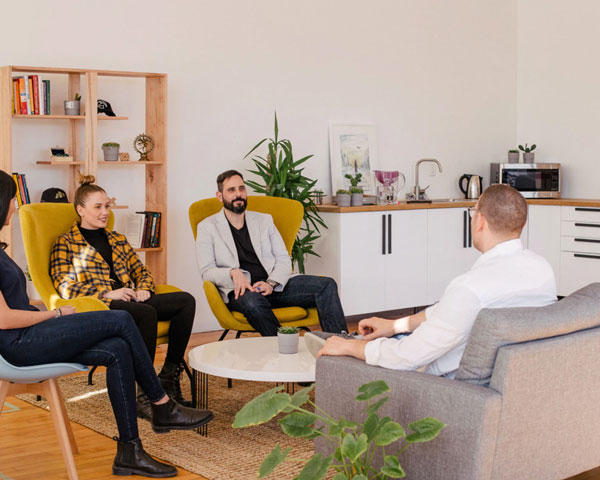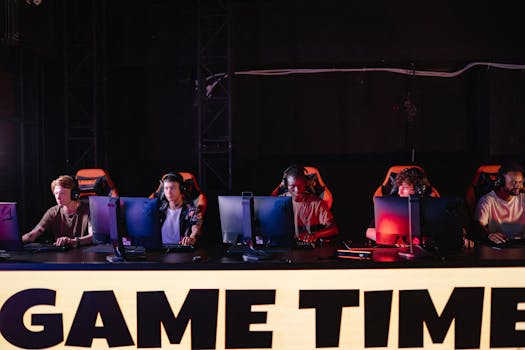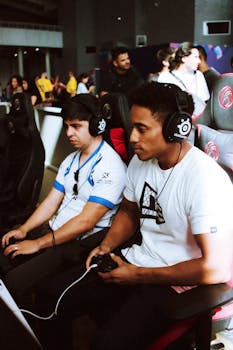
Group of diverse teenagers gaming together indoors, intense and focused.

Team Communication Techniques for Multiplayer Success: Build Winning Strategies Together

Team Communication Techniques for Multiplayer Success: Build Winning Strategies Together

Every victorious multiplayer squad depends on clarity and timing, which means understanding team communication techniques is as fundamental as mastering game mechanics or memory for maps.

Coordination doesn’t happen by accident—players who consistently work together know exactly what to communicate, when to stay quiet, and how to motivate teammates through tough rounds or unexpected setbacks.

Read on to learn how refined team communication techniques drive multiplayer victories, what scripts and habits you can start using tonight, and how to cultivate truly synchronized teamwork.

Establishing Clear In-Game Callouts Boosts Decision Speed

Teams that use specific, standardized callouts consistently outmaneuver opponents by reducing confusion and accelerating reactions. This first step creates the backbone of efficient team communication techniques.

Instead of vague alerts, using agreed-upon map and objective names keeps everyone informed. Momentum builds as each player trusts the information will be precise and actionable.

Naming Zones for Quick Recognition

A team that uses descriptive labels like “garage,” “top mid,” or “short stairs” avoids hesitation and instantly relays threats or opportunities. Unique terms prevent cross-talk.

If you see an enemy in “secret tunnel,” declare it aloud, avoiding generic phrases. Such language keeps everyone on the same tactical map, no matter their role.

Train together to memorize labels. At the match start, say, “Let’s use A-long, B-window, and mid-ramp for this round.” Confidence grows with repetition.

Scripted Call-and-Response Routines

Adopt scripts like “Rotating A, copy?” followed by “Copy, rotating” so instructions get confirmation. Every member stays looped-in when tension rises or plans shift fast.

During fast plays, use “Need support library,” answered with “On my way library.” This approach prevents gaps and provides real-time clarity without pausing to check.

Practicing call-and-response across game nights helps make team communication techniques feel natural, even in high-stake moments when hesitation costs rounds.

Callout Purpose Example Usage What To Do Next
Top Mid Enemy location “Enemy top mid!” Player covering rotates; others watch flanks
Window Entry point alert “They’re pushing window!” Hold position; assign backup
Backsite Bomb location defense “One backsite with bomb” Coordinate retake or split push
Short Flank or shortcut path “Flashing short!” Support push or set crossfire
Connector Mid-round transition “Rotating connector” Ready defense on inside angles

Active Status Updates Prevent Critical Overlaps

Describing your own health, resources, and cooldowns avoids two players using ultimates or abilities at the same time, managing pressure and extending survival for everyone.

Integrating real-time self-status is one of the most valuable team communication techniques, minimizing wasted effort and allowing teammates to react quickly to changes.

Reframing Self-Reporting

Start instead with “I’m low, backing off” or “Ult in ten, hold pressure.” This language aligns playstyles instantly so misplays decrease and backup arrives faster.

Players that routinely report health and ability status save countless rounds, as teammates shift to cover or save utility with precise timing.

  • Declare “Shield down, play passive” so supports know not to overextend. Both defensive and aggressive moves become more predictable, reducing friendly fire or wasted healing.
  • Say “Flash ready, setting up” to time crowd control. This ensures everyone can look away or pounce right after, maximizing effect and coordination on enemy clusters.
  • Notify “Need heals now, behind you!” so medics or support classes can immediately react and avoid losing a teammate. Accurate urgency prevents slow reactions in close fights.
  • Use “I’m resetting cooldowns, 8 seconds” to indicate prep time for abilities. This avoids uncoordinated pushes or missed combos without over-explaining the mechanics in the moment.
  • Announce “Ult up, pushing aggressively” when you’re ready to use a game-changing skill. Synchronized aggression is more successful and teammates commit together rather than alone.

With these communication habits, players build greater awareness and a stronger sense of teamwork during critical moments.

Status Signals for Non-Voice Play

When playing without voice chat, ping systems and emotes act as shorthand. Use these for “healing here” or “danger ahead,” enhancing inclusivity for all players.

Short, frequent signals keep team communication techniques strong even with strangers or language barriers, as everyone understands the standard game indicators.

  • Click the “group up” ping before an objective, helping others move before attacking solo. This prevents wasted lives and ensures power spikes align for pushes.
  • Spam “caution” or “danger” icons when you spot flanking enemies. Situational warnings mean fewer teammates get picked off alone or distracted by decoy plays.
  • Use “attack now” pings when the team is ready, especially after an enemy mistake. The team surges together, leveraging timing for high-percentage wins and easier trades.
  • Flash “defend” markers during enemy ultimates to focus on survival instead of scattered duels. It signals to turtle up and regroup after the threat passes, saving resources.
  • Mark “low health” on your character if you’re about to retreat or need support. This prompt is clear, even during loud or busy moments.

Even with fewer words, timing and precision make these silent messages part of effective team communication techniques for every match.

Planning Strategies Together Before Rounds Start Pays Off

Setting a clear plan at the start gets everyone focused on an objective, dividing roles and avoiding chaotic free-for-alls that derail team communication techniques.

Teams win more when each player knows their specific job, understands backup options, and expects certain callouts if the enemy disrupts the plan mid-round.

Pre-Round Game Plan Session

Use scripts such as “You cover left, I’ll peek mid—hold utilities until my call.” This divides the map and responsibilities, so no area feels unguarded.

Decide openly, “If we lose site, everyone rotate through spawn together.” Having a fallback ensures split-second agreement under stress without arguing mid-match.

End pre-round planning with, “All clear? Everyone ready?” Confirming readiness limits hesitation at spawn and aligns every teammate on the same timeline, boosting cohesion.

Adapting On-The-Fly When Plans Unravel

Effective team communication techniques demand quick redirection. Say, “Plan B, rotate B now” when defenses are overloaded and aggression is too risky.

If a play fails, stating “Hard reset—play for information, not kills” recalibrates the team towards safe gathering rather than panic or revenge hunting.

This resilient mindset, paired with clear language, prevents tilt and wasted resources as everyone pivots together instead of freezing.

Embracing Constructive Feedback Builds Team Trust

Sharing feedback in real-time helps all players feel included and improves performance, creating a culture of safety that is foundational to reliable team communication techniques.

Praise effective callouts or coordination with direct statements like, “That timing was perfect, let’s use that setup again next round.” The directness solidifies learning for everyone.

Delivering Critique Without Friction

Address mistakes by anchoring to a specific moment: “Next time, pop smoke earlier for cover” instead of vague criticism like “bad play.” This builds confidence, not resentment.

Finish with a solution: “Great effort—let’s check map before pushing.” Every comment should help the team course-correct while keeping the spirit high.

Body language applies here too. If you’re together IRL, positive gestures like a thumbs up lower tension in high-stress segments.

Receiving Feedback With Openness

Respond to advice with “Good call, I’ll try that.” Quick acknowledgment builds momentum and invites further team-driven improvement.

Resist taking critique personally. View each point as a tool to refine your role and accelerate overall progress.

Over time, open feedback loops make your group more resilient and boost your overall effectiveness in competitive environments.

Staying Calm in High-Pressure Situations Keeps Teams Synchronized

Remaining composed during setbacks maintains order and supports team communication techniques even when emotions run high or the match outcome feels uncertain.

Regularly remind your teammates, “Take a breath—we have resources for next round.” Short, positive cues anchor everyone amid chaos.

Calm Leadership Cues

Designate one player as the calm anchor: “Let’s reset and watch crossfire.” This voice steadies others, discouraging rushed solo moves or panicked comms.

Encourage repeating key takeaways: “Last two pushed short, watch for lurk.” Laser focus reduces confusion and stops overthinking during crucial rounds.

Use analogies like “We’re a football defense—hold our formation” to reinforce teamwork under pressure, helping players recall their positioning quickly.

De-Escalating Stressful Moments

Agree pre-match that if noise spikes, the leader calls “comms clear” for silence. This allows space to reset after a tough round or when making game-winning moves.

Combining deep breathing with quick status checks (“Everyone set?”) steadies nerves, making complex calls easier to follow.

After a tough loss, state, “We win as a team, let’s figure this out.” Ownership fosters honesty and teamwork.

Leveraging Technology for Smoother Communication

Modern tools offer chat, ping, and voice integration, enhancing team communication techniques with clarity and accessibility for any group size or skill level.

Choose platforms that provide clear audio, minimal lag, and customizable hotkeys. Consistent hardware setups help teams avoid technical hiccups during intense matches.

  • Install team chat overlays, letting everyone track calls while staying focused on gameplay. Visual reminders solidify plans made in voice or between rounds.
  • Assign push-to-talk keys to prevent background noise, improving message clarity and reducing distractions, which is critical for tight coordination during tournaments or ranked play.
  • Synchronization tools like universal timers keep team communication techniques sharp, especially for global teams coordinating across different hardware or time zones.
  • Leverage replay analysis software to review comms alongside gameplay. Team meetings that blend viewing and listening speed up improvement cycles and highlight both gaps and successes.
  • Encourage teammates to update device drivers and test microphones before big matches. Technical readiness increases reliability and reduces hiccups that can disrupt in-game focus.

Conclusion: Practicing Team Communication Techniques Turns Groups Into Champions

Every squad that refines callouts, status updates, planning, feedback, and calmness transforms communication into a true competitive edge for multiplayer gaming success.

Focused use of these team communication techniques raises mutual trust, improves resilience under pressure, and accelerates your growth as a collective unit round after round.

Invest time in scripts, shared systems, and feedback cultures—your results will follow, and teammates will recognize your leadership on every battlefield or scoreboard.

Leave a Comment

Your email address will not be published. Required fields are marked *