Evolution of Competitive Gaming Across Generations: From Arcades to Global Arenas
Gamers debate high scores, speedruns, and esports, but every generation redefines what victory means. The competitive gaming evolution stands out, shaping both individual play and global communities.
For decades, competitive gaming evolution built bridges between casual gatherings and professional tournaments. Understanding this journey reveals what drives current esports trends and inspires future innovations.
Exploring the roots of competitive gaming evolution unlocks new appreciation for emerging formats, diverse player communities, and just how far the scene has come. Let’s dive in and trace the path together.
Arcade Tournaments Spark Early Competitive Spirit
Recognizing arcade tournaments as a crucial start helps anyone trace the origins of competitive gaming evolution. These coin-operated machines planted the seeds of rivalry and skill refinement.
At arcades, crowds gathered around machines as challengers stood side by side. The tension and celebration became templates for modern, real-life esports events.
Chasing High Scores in the 1980s
Picture a teenager gripping a joystick, eyes locked on the screen as neighbors cheer. The quest for high scores created rivalries, victories, and friendly banter among arcade regulars.
Players swapped tips, debated strategies, and scribbled initials next to unbeatable scores. It wasn’t about fame yet — pride and neighborhood reputation were the main trophies.
Competitions expanded, drawing players from new towns and forming the basis of structured events. Arcade culture rewarded skill, fueling the competitive gaming evolution for a new generation.
Weekly Leagues and First Bracketed Events
Weekly arcade leagues appeared, using simple brackets and printed leaderboards. Friends agreed on best-of-three rules — “loser pays for the next play” — a script anyone could follow.
These leagues practiced fair play while introducing real stakes. Systematic tracking of wins and losses nurtured the earliest team dynamics and a sense of tactical learning on the fly.
Players could only qualify by beating peers live, face-to-face. Local winners earned bragging rights until the next meet, charging every event with anticipation and excitement.
| Era | Main Venue | Competition Type | Key Takeaway |
|---|---|---|---|
| 1980s | Arcades | High Score Chases | Prioritize practice and quick adaptability; performance improvement pays off fast. |
| 1990s | Console Parties | Head-to-Head Matches | Learn rivals’ tactics; analyze observed play for your next challenge. |
| Early 2000s | LAN Cafes | Group Play Tournaments | Form local teams; schedule repeating team sessions to build synergy. |
| 2010s | Online Platforms | Ranked Multiplayer | Track rankings; review losses for documented improvement each season. |
| 2020s and Beyond | Global Arenas | Esports Pro Leagues | Develop advanced strategies; replay analysis and coach-led drills drive top-tier results. |
Consoles and Couch Competitions Invade Living Rooms
Switching from arcades to consoles changed the landscape for competitive gaming evolution, introducing new ways for people to compete at home. Consoles fostered different dynamics and opportunities.
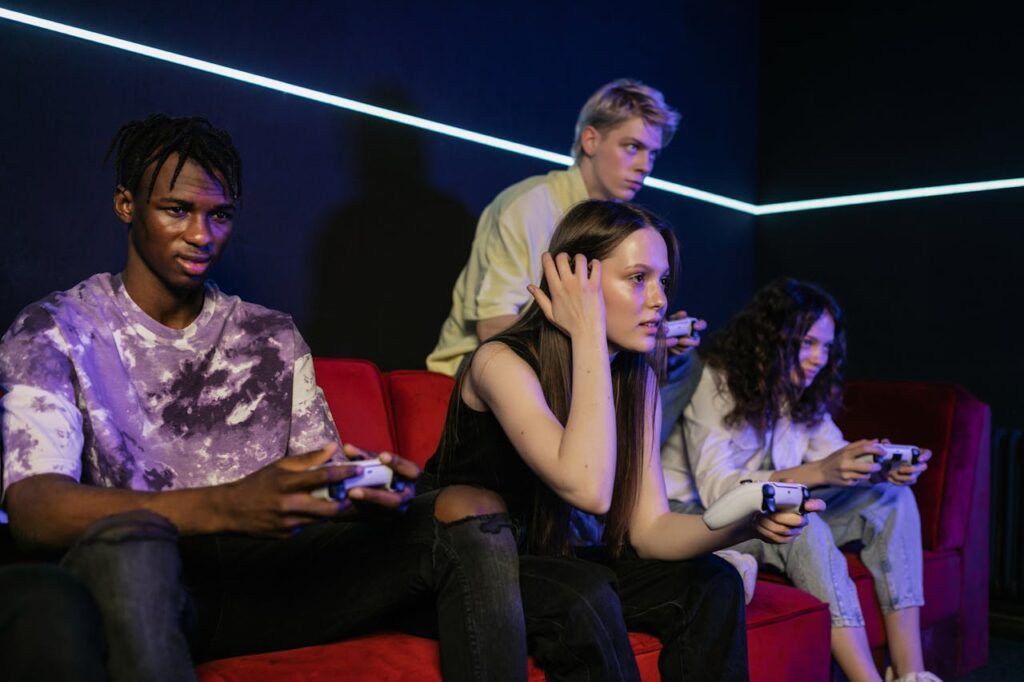
Gamers welcomed multiplayer options in living rooms, sparking family showdowns and friendships built on both victories and rematches. Couch play reimagined how people connect through games.
Trash Talk and Social Play Change Tactics
During a round of Mario Kart or Street Fighter, laughter mixed with strategic taunts. Saying, “You’re never beating my Bowser,” stirred challenge-driven excitement unique to in-person console duels.
Social presence gave instant feedback — facial expressions, quick post-game handshakes, and adrenaline from shared victories or losses. These dynamics set the building blocks for team chemistry online.
- Host split-screen matches for four players: invites fun and rivalry, making every move visible to all participants and teaching quick adaptability to distractions around you.
- Choose tournament brackets even at home: setting clear rules ensures fairness and adds structure, creating memorable family tournaments that span generations and traditions.
- Change game genres often: from sports to fighting, variety keeps everyone engaged and shows different skills, improving group adaptability and shared learning curves for all ages.
- Use quick rematch rules: “First to five wins” encourages skill improvement and lets losers learn quickly by immediately watching and copying the winner’s moves and decision-making steps.
- Celebrate every clear win as a group: reward the top player with a snack or token prize, reinforcing the social value of competition and motivating players to strive for better results next round.
Couch-based competitive gaming evolution encouraged communication and sportsmanship. The feedback loop between players grew tighter, bringing deeper relationships through every session.
Console Clubs and Neighborhood Rivalries Form
Some gamers remember Friday nights filled with pizza, controllers, and shifting alliances. Phrases like, “Jon takes on Laura for the title again,” brought recurring anticipation and friendly rivalry.
- Organize weekly club nights: consistent meetings grow anticipation, help players watch each other improve, and create mini-narratives that deepen everyone’s connection to the format.
- Establish seasonal leaderboards: post results in a shared notebook or group text so everyone tracks progress, learns from upsets, and returns motivated to break streaks or settle old scores.
- Rotate hosting responsibilities: each week at a new home ensures no one dominates, exposing players to new environments and setups that build resilient focus and adaptability.
- Mix age groups: include younger siblings or older relatives to challenge assumptions, spark mentorship, and teach strategies across generations — a snapshot of competitive gaming evolution in action.
- Record highlight matches: save memorable moments on camera to rewatch and analyze, turning fun into learning opportunities and enhancing the collective memory of every gaming club.
These clubs produced rituals, strategies, and banter still seen online — blending fun, competition, and lifelong memories, all essential steps in competitive gaming evolution.
Online Multiplayer Unlocks Borderless Play
Entering the online era lets anyone experience true borderless competition, a breakthrough for competitive gaming evolution. Players connect over distance, time, and diverse platforms.
The shift online created leveled playing fields, blending skilled rivals who never would’ve met before — all from the comfort of home or on the go.
Matchmaking Systems and Global Leaderboards
Auto-matching peers by skill means you can say, “Let’s queue up one ranked match before dinner,” and instantly face someone across the world at your level.
Leaderboards post results, track progress, and ignite worldwide rivalries. Posting a personal best pushes everyone to adapt, practice, and show off those wins screenshot by screenshot.
Global competition teaches new tactics, exposes you to playstyles, and expands strategy horizons. Reviewing recorded matches makes improvement systematic, clarifying your next actionable step each time.
Voice Chat, Streaming, and Online Communities
Online voice chat allows you to say, “Nice shot!” to someone in another state. Banter and advice become instant, shaping player chemistry and rivalries alike in real time.
Streaming turns matches into social events, with viewers commenting, cheering, or sharing tips in chat windows — replicating the high-energy of local arcades with a modern, digital twist.
Online communities spring up around favorite games, fostering subcultures with in-jokes, unique slang, and shared identities. These communities offer new entry points for competitive gaming evolution week after week.
Esports Leagues Professionalize Gaming Competition
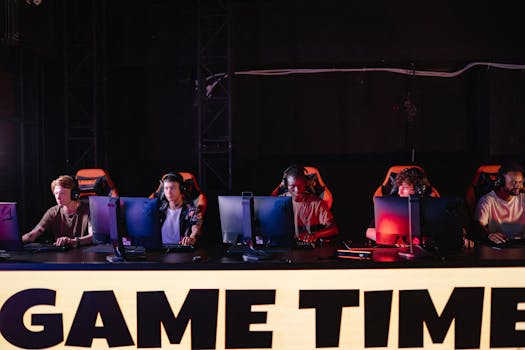
Joining an organized league gives players structure, meaning, and a realistic path to recognition — elements fueling competitive gaming evolution. Players see real stakes and commit time to skill-building.
Esports leagues introduce contracts, salaries, and live audiences, giving gaming legitimacy as a career path. Practicing regularly becomes as important as game-day performance itself.
Structured Practice Schedules and Team Dynamics
Pro teams block out daily hours for scrims and video review, saying, “We’ll analyze our first ten minutes and fix rotations.” Games are dissected, then replayed until reflexes and teamwork feel automatic.
Teammates adopt unique roles — in MOBAs, for instance, some focus on supports, others on aggressive play. Specializing sharpens everyone’s skill set and raises the team’s ceiling for growth.
Analogies to traditional sports work: treating practice like a drill — not just random play — drives progress and separates casual players from those climbing the ranks professionally.
Fan Engagement and Sponsorship Models
Teams share social content — photos, updates, or quirky warm-up rituals — explaining, “This is our locker-room hype song.” Behind-the-scenes videos bring fans closer and build loyalty.
Sponsorship deals supply custom gear and resources, transforming winning plays into marketing opportunities — “Our new headset partnership keeps us focused every round.”
Fan meetups, virtual watch parties, and branded events broaden the reach of competitive gaming evolution, turning each pro match into a mini-culture moment fans replicate at home.
Streaming Platforms Create Shared Spectator Experiences
Watching live esports or popular streamers reveals new tactics and forms a crowd around every game, accelerating competitive gaming evolution by blending learning, entertainment, and social sharing.
Spectatorship democratizes expertise; anyone can join chat, ask questions, or spotlight favorite moments — bringing crowdsourced knowledge to every aspiring player’s practice routine.
Streamer Communities and Real-Time Interaction
Streamers narrate high-pressure moments — “Watch my APM spike in this fight!” — so viewers study techniques, copy setups, and chat about results or tips instantly for direct improvement.
Viewers band together to design community challenges, race leaderboards, or support up-and-coming talent. Shared experiences breed innovation: what works is copied, tweaked, and celebrated online.
Regular viewers become returning regulars, forming recurring inside jokes, rituals, and learning moments. These communal behaviors fast-track competitive gaming evolution in real time.
Monetization and Accessibility for All Skill Levels
Streaming removes barriers. Players broadcast learning journeys, inviting “I’m new — help me learn?” and receiving constructive advice live, shrinking the gap between novice and expert each day.
Monetization tools — donations, subscriptions, affiliate codes — let players fund deeper engagement, invest in better gear, and even host exclusive competitions for their own community members.
Aspiring pros refine skills and build personal brands simultaneously, making competitive gaming evolution accessible for players everywhere, regardless of their starting point or initial resources.
Cross-Platform Play and Integration Promote Innovation
Connecting players across devices turbocharges competitive gaming evolution and gives everyone a chance to discover new tactics, rivalries, and friendships by simply choosing their platform of choice.
Cross-platform infrastructure dissolves historical barriers and multiplies competitive opportunities without needing new hardware or special setups — letting the action flow wherever and however players gather.
Consistent Rulesets and Fairness Checks
Universal rulebooks and anti-cheat systems standardize competition across devices, so every match is fair and skill remains the deciding factor no matter what console or PC is in play.
Players quickly learn platform-specific advantages and share settings or controller tips — “Try this key binding for faster builds,” — breaking learning silos and driving group progress faster.
Big tournaments publicly review results, offer fair-play recaps, and post transparent penalties for violations, making competitive gaming evolution more transparent and trusted for all involved.
Scenario: A Weekend Tournament Spanning Devices
Imagine a Saturday bracket where friends on PC, console, or mobile say, “I’ll join in from my phone after work.” Multi-device invites make everyone part of the story, regardless of gear.
Players troubleshoot cross-platform lobbies, share connection tips live, and swap feedback immediately in chat, building new rituals and improving teamwork each round — a modern twist on the original couch competition spirit.
Weekly summaries and highlight reels keep every player included, making the competitive gaming evolution collective, adaptable, and continually refreshed with every game played together.
Generational Attitudes and Community Values Reshape Competition
Different generations carry unique perspectives on fairness, inclusivity, and what competition means, giving competitive gaming evolution a fresh look through family, friends, and diverse communities.
Respect, adaptability, and new codes of conduct shape how rivalries form and how communities solve disputes and foster positive engagement, online and off, year after year.
Scenario: Parents, Teens, and Reunion Tournaments
Youth teach strategies to elders — “Press X here to dodge!” — as parents cheer or reminisce about their own early arcade wins, uniting family across changing generations.
Events like family reunions become ground zero for competitive gaming evolution, introducing new games alongside classic NES or Sega titles before a cheering crowd of all ages.
Organizers prioritize participation and fun, explaining house rules upfront and spotlighting sportsmanship awards, so everyone leaves with a story and a goal for next year’s rematch.
Modern Codes of Conduct and New Etiquette
Competitive groups routinely post rules on fairness, anti-toxicity, and game-specific etiquette front and center — “After losing, shake digital hands and send a good game message.”
Community leaders model respectful play, calling out unsportsmanlike conduct and highlighting positive moments, reinforcing standards of competition and ensuring everyone feels welcome and challenged to improve.
Older traditions like arcade high-fives evolve into emoji cheers, shoutouts, or video shout-ins, making competitive gaming evolution a persistent thread that unites generations through changing technology.
Competitive Gaming Evolution Continues to Rewrite the Playbook
Every phase of competitive gaming evolution builds on the past, stacking up fresh tactics, formats, and connections. Arcades, couches, and esports aren’t just relics — they’re living templates for tomorrow’s players.
Whether it’s cross-platform tournaments or retro game reunions, embracing change means recognizing everyone’s part in competitive gaming evolution. Sharpening skills now supports lifetime learning and playful competition for years to come.
As formats, devices, and generations continue to mix, competitive gaming evolution promises constant renewal — creating new stories, friendships, and winning strategies around every controller or keyboard.