
Influential Game Genres That Shaped Player Preferences: A Deep Dive
Discovering what makes a game unforgettable is like finding that perfect coffee blend—it speaks to individual taste, yet trends and influential game genres help set the menu for everyone.
Over the years, developers have refined and reimagined genres that continue to attract millions, influencing what players seek out and celebrate across their favorite platforms worldwide.
If you’ve ever wondered why you gravitate toward a particular genre, continue reading—this article reveals how influential game genres guide our preferences and why they matter for players today.
Role-Playing Games Inspire Loyalty and Story-Driven Choices
Players looking to make meaningful decisions or shape narratives discover that role-playing games deliver the control and immersion missing from many arcade-style titles.
In influential game genres, RPGs offer complex worlds where every choice echoes, fostering a sense of agency similar to choosing your own adventure book but with real consequences.
Branching Paths Make Every Playthrough Unique
After creating a custom character, players can choose which factions to ally with or betray, hearing different dialogue and outcome each time the game is replayed.
This approach creates replay value, as fans try divergent paths, much like rereading a novel to spot missed nuances but here with game-changing results.
Actionable tip: Start your next RPG by intentionally making different choices—even if uncomfortable—just to see how the world reacts and which outcome feels most authentic to you.
Turn-Based vs. Real-Time Systems Offer Distinct Experiences
Influential game genres like RPGs diverge further: some use turn-based combat letting you plan every move with precision; others unfold in fast-paced real-time battles where reaction speed matters.
For instance, a turn-based approach rewards players who prefer deliberate strategy, while real-time action gives adrenaline-seekers the kinetic energy they crave.
When choosing your next RPG, consider which combat system feels satisfying: maybe you want to pause and think, or perhaps you enjoy shooting and moving constantly.
| Subgenre | Key Feature | Player Benefit | Best Next Step |
|---|---|---|---|
| Turn-Based RPG | Incremental decision-making | Strategic depth | Try a classic title like Final Fantasy |
| Action RPG | Real-time combat | Immediate feedback | Jump into Diablo or Dark Souls |
| Open-World RPG | Explorable environments | Freedom of choice | Explore Skyrim’s vast lands |
| Tactical RPG | Grid-based battles | Tactical planning | Test your tactics in Fire Emblem |
| JRPG | Anime-inspired stories | Rich narrative | Dive into Persona or Dragon Quest |
First-Person Shooters Change Skill Expectations and Social Play
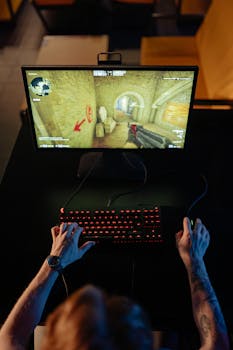
Mastering shooters means adapting to rules of precision, map control, and squad tactics—each discipline rooted in the influential game genres that keep players coming back.
Games like Counter-Strike or Call of Duty teach skills that transfer to new entries, so fans of one title feel instantly at home in another within the genre.
Map Awareness and Communication Drive Wins
Nearly every successful FPS playthrough features specific callouts—“flank left” or “watch mid”—as players constantly communicate to outmaneuver opponents and manage the terrain.
Learning how to scan the mini-map, read enemy movement, and relaying intel fast can mean the difference between victory and defeat in these influential game genres.
- Focus on map signals: Watch your minimap for red dots or movement cues because information is power when reacting on the fly.
- Use simple callouts: Short, direct phrases such as “sniper top window” let teammates react without confusion. Clarity is better than fancy communication.
- Practice with a friend: Training duos help test callouts and timings, building trust that leads to smoother real matches.
- Change your approach: Don’t repeat the same path—mix up your routes each round to stay unpredictable and keep the opposition guessing.
- Set a pre-round goal: Before each match, decide what one thing you’ll improve—accuracy, awareness, or teamwork—so you see consistent skill growth.
Adopting even one tactic from above can provide immediate feedback; simply say, “Let’s work on our callouts this round,” and notice the boost in team performance.
Weapon Choice Alters Style and Engagement
Choosing a weapon is an expression of playstyle in influential game genres—some prefer long-range rifles while others grab shotguns for close-quarters action.
A player might declare, “I’ll run sniper this game,” preparing for methodical picks while teammates cover flanking angles with faster-firing arms.
- Select a weapon for the map: Use sniper rifles on wide-open stages and SMGs in tight corridors, playing to each environment’s strengths.
- Try every loadout: Don’t stick to one gun; intentional variety lets you discover hidden strengths and weaknesses in your style.
- Watch recoil patterns: Fire controlled bursts for rifles to manage spread, a key skill that separates top performers from rookies.
- Upgrade as you learn: Swap attachments—sights, barrels, grips—based on what made you lose previous rounds. Adaptability leads to improvement.
- Pair with teammates: Match weapons to roles, such as having one heavy, one scout, ensuring team flexibility and balanced engagements.
After trying these tips, notice if your preferred gun changes over time—growth in influential game genres means evolving beyond initial comfort zones.
Action-Adventure Games Blend Exploration, Puzzles, and Combat in Memorable Worlds
Fans searching for games that merge storytelling, exploration, and action soon realize that influential game genres like action-adventure meet all those needs in a tightly woven package.
These titles reward curiosity—think hidden passageways or secrets—while ensuring combat feels fluid, giving a “hands-on” sense of agency in every encounter.
Pacing and Environmental Storytelling Matter
Game worlds in action-adventure genres use visual cues—a torn banner, distant thunder, creaking doors—that give context and clues before combat or puzzle-solving begins.
The right atmosphere builds anticipation but also helps guide where to look or which item to inspect next, making exploration part of the skillset.
Approach unknown areas slowly; let environmental hints point your path instead of rushing into danger, maximizing narrative enjoyment and safety combined.
Integrated Puzzles and Combat Drive Engagement
Puzzles aren’t just busywork—they spark ‘aha’ moments that make genre standouts unforgettable, especially when solving them protects against tough enemies or reveals secret paths.
This interaction ensures each challenge ties directly to the story, raising stakes and making accomplishments feel personal, not arbitrary or spaced out without purpose.
Notice your sense of accomplishment after combining clues and defeating bosses; completion feels earned when intertwined with a world full of dangers and discoveries alike.
Simulation and Strategy Create Confident Planners
Simulation and strategy games transform routine actions—managing resources, city-building, forming alliances—into deeper influential game genres that hone patience and smart planning skills for real-life application.
Many notice that after spending hours optimizing a theme park in-game, their real-world project management or critical thinking abilities sharpen.
Sports and Racing Genres Fuel Passion for Competition
Pick up a controller, feel the adrenaline of fast moves, and enter leagues governed by influential game genres devoted to authenticity, skill, and rivalry.
Sports and racing games embody everything about real-world competition, offering a safe space to chase perfection lap after lap or match after match.
Sandbox and Open-World Titles Unleash Creativity With Few Limits
Players exploring open worlds within influential game genres spark creativity that’s hard to find in tightly scripted experiences—a blank canvas full of potential, welcoming new ideas and unique stories.
From elaborate cities in Minecraft to racing stunts in GTA, choosing how to engage allows for endless experimentation, experimentation, and fun.
Influence and Evolution Across Game Genres: What’s Next for Player Preferences?
Influential game genres do more than create categories—they help players articulate what they enjoy and steer studios to keep innovating and evolving genre hallmarks.
Success in these genres demonstrates that players want agency, engaging narratives, and new ways to express themselves, suggesting developers will continue to expand on these foundations.
Over time, tomorrow’s favorites may blend today’s genre boundaries, shaping new influential game genres and inspiring the next generation of fans everywhere.