
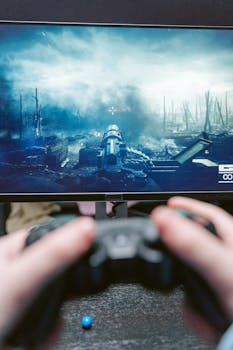
Dynamic Action Games That Keep Players Engaged and Always Coming Back
Fast reflexes and immersive worlds make some games irresistible. Anyone who’s spent hours chasing achievements in dynamic action games knows how hard it is to put them down.
Engagement isn’t accidental — it’s the result of refined game design, varied challenges, and surprising moments that make every session memorable. For many, these elements turn a play session into an adventure.
If you want more energy and excitement in your play, read on. You’ll find smart advice, examples to try, and actionable steps for getting the most out of dynamic action games.
Boosting Your Focus With Incremental Challenge Loops
Players can sharpen focus and stay alert by recognizing how dynamic action games offer small, ramping challenges. These loops keep minds from drifting and boost satisfaction after every win.
Game designers use gradual pacing and layered objectives. Each stage feels fresh, drawing players deeper into the experience without demanding huge leaps in skill at once.
Reacting in Seconds: Use Visual Cues for Instant Decisions
Notice changes in lighting or color in your game’s environment. Quick shifts warn you where enemies may appear. Train yourself to spot these before reacting.
Say a red flash on the edge signals an incoming threat. Voice out loud, “Red equals dodge.” Repeat each time. Reinforcing these reactions helps you respond nearly automatically.
Use analogies, like catching a ball before it drops. Swift reaction comes when you anticipate, not when you see the impact. Practice resetting and scanning every five seconds for cues.
Reward Cycles: Tie Small Wins to Tangible Rewards
After beating a tough combo, take two seconds to mentally note your progress. Tell yourself, “Stage one cleared, on to the next.” Small celebrations reinforce momentum.
Stack simple rewards — such as unlocking a new move or sound — to match every challenge. Players say, “That new power-up made the whole round worth it.”
Routine reward cycles lessen burnout. Pair a reward with each completed task, no matter how minor, and you’ll notice your drive to continue multiply over time.
| Game Mechanic | Player Effect | Example Game | Takeaway |
|---|---|---|---|
| Combo Streaks | Sharpen focus and reflexes | Brawlers, fighting games | Practice streak-building in training mode for better engagement |
| Timed Objectives | Boosts adrenaline, maintains urgency | Platform shooters | Set time goals and self-challenge outside of required missions |
| Dynamic Enemy Types | Prevents monotony, enhances adaptation | Action RPGs | Learn key attack patterns, switch tactics frequently |
| Randomized Rewards | Keeps sessions surprising and fresh | Roguelikes | Try a new build each run instead of sticking to favorites |
| Environmental Hazards | Encourages spatial awareness | 3D action games | Use the camera often; note changing hazards for future runs |
Crafting Play Sessions for High Energy and Reduced Fatigue
Setting the right session length and structure ensures dynamic action games remain thrilling, not tiring. Making small adjustments in play styles drives better attention and fun.
Players thrive by building sessions around mini-goals, with breaks or shifts in focus to prevent overload. Try batch tasks: clear one intense map, then mix in lighter objectives.
Alternate Activity Rule For Better Stamina
Switch your main dynamic action games every hour, even if you’re on a roll. Feels counter-intuitive, but builds energy for longer marathons while sharpening focus.
- Break gameplay with a five-minute walk — visually resets your focus and helps prevent fatigue.
- Switch to low-stress side quests after high-stress boss fights; this reduces heart rate and extends your engagement window without burnout.
- Change controller grip every round. This tiny shift reactivates hand muscles and reduces cramping.
- Try narrating your moves out loud for a single match — hearing your tactics clarifies decision-making and keeps your mind engaged.
- Invite someone to watch or play beside you after two solo runs — their reactions boost energy and offer new perspective on problems.
Keeping gameplay dynamic draws directly from pacing in sports: sprinters love a quick start, but endurance builds when you balance bursts of effort with refreshing routines.
Set Micro-Goals to Increase Motivation
Don’t just shoot for giant milestones in dynamic action games. Create a checklist: clear a stage without damage, master a new combo, or get one rank higher each session.
- Write down a goal before every game. Visual reminders reinforce intent and keep play from drifting aimlessly.
- Challenge yourself to experiment — use only one equipment type for the next round. This restriction improves adaptability and decision speed.
- Allow a single retry for hard segments instead of three. This makes each run feel urgent and memorable, even if you lose.
- Track progress with short notes on what worked or failed. Evaluate weekly to see patterns or recurring sticking points.
- Celebrate the small wins. Send a quick summary message to a friend after each win — reinforcing victory turns positive momentum into a habit.
Alternating focus and micro-goal tracking allow dynamic action games to feel fresh and challenging, bridging the gap from casual to expert without unnecessary repetition.
Customizing Controls for Instantaneous Response
Players create game-changing advantages just by tweaking default settings in dynamic action games. Personalized controls unlock faster reflexes and smoother movement from the very first round.
Remapping keys or adjusting sensitivity pays off in seconds. Every player’s grip and comfort differ, so small edits add up to major improvement without outside hardware.
Layout Tweaks Every Player Should Try
Shift dodge or jump to the most accessible button on your controller. Many say, “After moving jump to the trigger, combos felt twice as fast.”
Lower camera sensitivity if you miss enemies mid-action; increase it if you’re tracking targets too slowly. Adjust, test for ten minutes, then lock the best setup.
Analogies work: imagine changing your car seat’s height and mirrors. You don’t drive well with default settings, so invest five minutes in optimizing your set for dynamic action games.
Playstyle Profiles For Shared Setups
If sharing consoles or PCs, save unique user profiles. Mark one for speed runs, another for casual exploration. Switch fast when a friend or sibling joins a session.
Keep a physical reminder—mask a button for combo practice, for example. Immediate access supports muscle memory and transitions between playstyles smoothly, especially in dynamic action games.
Ask friends about their control layouts. Compare setups after a playdate and list one tweak to try next round. Collaboration leads to discoveries and enjoyable adjustments.
In-Game Audio Strategies For Sharper Reaction Time
Hearing subtle cues lets players predict threats and react without hesitation. Mastering sound settings in dynamic action games means you won’t miss an enemy’s approach or upcoming challenge.
Use headphones to distinguish between background music and critical noises like footsteps, alarms, or incoming attacks — your performance gains real-time improvement with every small adjustment.
Prioritize Audio Mix for Best Response
Lower music volume while boosting effects in your game menu. Many gamers say, “Footsteps became obvious when the soundtrack faded.” Adapt every game’s mix for clarity.
Toggle in-game directional audio if available. For example, hearing left/right enemy shuffles cues you to move or parry before the screen flashes.
Try training with audio-only rounds. Listen to cues without visuals for one minute per session—then combine both senses for better multitasking in dynamic action games.
Situational Awareness Through Sound Cues
Label unique sounds while playing. Shout “Metal clang—boss charging!” or “Glass break—trap nearby!” Turning these into mental signals trains instant recognition the more you play.
After identifying a sound cue, repeat the action it signals. Did you jump? Did you hide? Reinforcement links sound and movement, building habitual, fast responses.
End each session by listing new cues discovered. Note situations where you hesitated and stage a retest next round, focusing on the cue-action pairing for improvement.
Adapting to Unpredictable Challenges To Elevate Engagement
Players remain engaged in dynamic action games when uncertainty and surprises appear. Facing unexpected scenarios transforms sessions into active problem-solving rather than rote memorization.
Game designers blend fresh enemy patterns, shifting hazards, and random rewards so every round includes surprises. Players who welcome and adapt to changes stay engaged the longest.
Rapid Strategy Shifting in the Heat of Play
Recognize when your current tactic stops working — as if you’re driving and the road suddenly turns. Say, “Switch now!” and immediately test a different weapon or route.
Track moments where you freeze under new patterns. Pause, breathe, and tell yourself, “New puzzle, new plan.” Move or try any untested tool, then observe the results.
Adapt the analogy: a chef changes recipes mid-service if an ingredient runs out. Dynamic action games reward similar flexibility. Always be ready to swap routines when results stall.
Randomization Means Greater Replay Value
Every game with procedural levels or shuffled bosses offers a unique session. Remember that no two attempts will ever feel exactly the same in dynamic action games.
Log your favorite unexpected encounters. Did a sudden boss appear? Did new traps spice up an old stage? Reflect and see each random twist as a new table to solve.
Reframe setbacks as chances to discover new tactics. When a run ends unpredictably, write down a lesson: “Don’t overlook corners on the map after random events.” Practice this next session.
Building Consistent Habits for Ongoing Growth
Players in dynamic action games can steadily raise their skill ceiling by developing mindful routines. Habits create confidence, motivation, and measurable improvement after each session.
Use mini-checklists or reflection journals to track progress, refresh tactics, and celebrate growth. Over time, reflective players identify strengths and weaknesses, then adjust accordingly for tomorrow’s play.
End-of-Session Review Rituals
After each dynamic action game, record three things: what worked, where you hesitated, and a wildcard moment that stood out. This fast review sets up the next improvement.
Compare these notes after a week of play. List recurring challenges and brainstorm one or two new approaches for the next session. Continuous improvement relies on honest self-assessment.
If a pattern emerges — slow reaction to boss changes, for example — focus drills on that issue for a play or two. Incremental focus builds noticeable skills in dynamic action games.
Linking Rituals to Motivation
Celebrate small victories after each gaming session. Snap a screenshot, share a win, or say, “That comeback felt impossible, but I kept trying.” These moments cement positive routines.
Mix up rituals. For example, reward yourself with a treat after a big milestone, or invite a friend for short feedback. Rituals can reset energy or mark growth in dynamic action games.
If you fall into a rut, change your ritual—walk around after every loss, or try a new game mode next round. Refreshing routines keeps you progress-oriented and engaged.
Infusing Team Play With Communication And Adaptability
Dynamic action games reach their most exciting peak in team modes, where cooperation and adaptive communication drive surprising victories. Shared focus amplifies engagement and boosts long-term play satisfaction.
Players who call out strategies, adapt to allies’ needs, and support each other foster stronger teams—and more rewarding sessions. Mastering clear communication adds depth and resilience to any dynamic action game team.
Executing Live Callouts Under Pressure
Use clear, direct commands — “Left flank!” or “Shield now!” — when speaking with a team. Brevity keeps everyone on track when seconds count in dynamic action games.
Practice calling out sightings and danger as they happen. If you see an enemy in a corner, say so, then suggest the next step. Active language creates faster group responses.
Listen for feedback. If a teammate hesitates, encourage them: “Switch weapons, I’ll cover you!” Positive support lifts group morale, reduces errors, and makes winning more likely.
Adapting Team Tactics for Better Outcomes
Plan for contingency roles. For example, “If I’m out, cover the point.” Switch strategies together if a plan stalls, rather than sticking with a failing approach in dynamic action games.
Observe what worked after each round. Did a new formation succeed? Did splitting up cause issues? Share these notes, adjust together, and test in real-time.
Encourage each other to try new tactics — “Swap gear next round” or “Let’s flank instead of charging.” Fluid roles help teams learn and maintain winning streaks over time.
Bringing It All Together: Dynamic Action Games For Long-Term Enjoyment
Dynamic action games continue to captivate players through balanced challenge, personalized routines, and rewarding engagement. Each tip explored here strengthens both skill and enjoyment across countless play sessions.
From micro-goals to communication and self-review, small tweaks build noticeable growth over time. Every improvement unlocks new layers of fun and discovery in dynamic action games, making each run feel valuable.
Approach each session as an evolving adventure. Stay curious, stay receptive to learning, and dynamic action games will reward you with excitement, camaraderie, and lasting memories every time you play.