
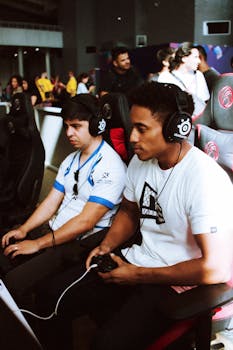
Quick Decision Training for Tactical Games: React Faster, Win Smarter
Every second counts when your team pushes for victory. Noticing one window of opportunity, and trusting your choice defines the outcome. That’s where quick decision training enters the picture.
Tactical gaming requires you to move, assess, and commit at lightning speed. With thousands of variables, your choices carve the path to either triumph or defeat in an instant.
This article dives into practical quick decision training. You’ll discover proven routines, step-by-step examples, and checklists so you can sharpen your tactical instincts starting today.
Building Reliable Trust in Your Game Choices
Consistently making the right move starts by understanding why you hesitate under pressure. Quick decision training uncovers patterns and gives you control over those split-second choices.
First, replace hesitancy with actionable scripts. Practice thinking out loud: “See flank, rotate now,” or “Hold high ground, wait for backup.” Verbal routines boost clarity and follow-through.
Recognize Your Default Response Scripts
Pay attention to the actions you repeat under pressure, like always peeking first or ducking behind cover. These are your default behaviors during quick decision training drills.
Marking a default lets you adjust: “Every time I see a flash, I freeze. Next, I try sprint-switching and notice how much better my positioning becomes.” Name and change scripts as you notice them.
Like a chess opening, the more you deliberately try new openings—”rush left,” “throw smoke, then push,”—the broader your decision data set grows for next time.
Commit to Decisions Instantaneously
Hesitation spirals into missed shots and wasted momentum. In quick decision training, give yourself a two-second rule: see a scenario, act decisively—no rewinding.
Picture saying: “Enemy spotted at A, I push now.” This fast mental commitment lets you move past overthinking. Over time, decisive movement replaces unsure stalling.
Imagine being at a traffic light that unexpectedly turns green. Just go. This small practice conditions you to trust the impulse that matches your game plan.
| Scenario | Default Reaction | Revised Script | Takeaway |
|---|---|---|---|
| Enemy rush at left | Retreat directly | Peek angle, drop smoke | Use cover, disrupt push |
| Spike planted | Wait behind | Flank quickly | Catch opponent off guard |
| Low health | Hide, heal | Crouch peek, scan map | Stay alert, avoid tunnel vision |
| Audio cue: reload | Back away | Push and engage | Exploit vulnerable timing |
| Multiple pings | Hesitate, look around | Call team, rotate instantly | Faster reaction, support group |
Creating Consistent Practice Environments for Decision Speed
Leveling up fast decision-making requires repetition and deliberate practice settings. Quick decision training is far more effective in routines tailored for tactical environments.
Every block of your daily warm-up can support this. Build small drills into your habits, so situational responses become second nature under pressure.
Daily Mini-Drill Blueprint
Set up solo game replays and pause after key moments: “Pause when you die or score, then immediately verbalize what you noticed and would do differently.” Repeat for several rounds.
Quick decision training gains strength with video study. Note when hesitation crept in, then fast-forward to choose an alternative faster next time.
- Pause after every major action, ask yourself out loud what you expected and whether your movement matched it.
- Commit to one tactical change per replay session—like “from now on, auto-peek every corner.” Review consistency each day.
- Keep drills under ten minutes so your mind stays sharp; short and frequent beats long and draining sessions.
- Record your own chatter; play back and critique how quickly you decide or if you justify slow choices.
- Update your script library—”If enemy jumps, then drop down,”—to grow your options and reaction speed.
Track how these drills gradually build stronger micro-decisions in real competitive matches.
Environmental Consistency Checklist
Keep your setup stable for reliable results. Control mouse sensitivity, lighting, and background noise to avoid unexpected delays during quick decision training drills.
- Test gear before each session; a fresh mousepad and consistent DPI remove physical uncertainty.
- Minimize background distractions—phone silenced and notifications off strengthen your focus for snap judgments.
- Use the same field of view and color settings across games so enemies don’t catch you off guard visually.
- Warm up both mouse and keyboard controls, so muscle memory supports your quickest possible moves.
- Schedule quick decision training at your most alert time of day for sharper cognitive speed and retention.
Small routine consistencies add up to reliable, in-game execution during high stakes moments.
Refining Your On-the-Fly Game Sense Through Pattern Exposure
Experiencing a wide variety of opponent tactics makes your own reactions quicker. Game sense grows as you recognize situations and apply practiced templates from quick decision training.
Broad, deliberate exposure lets you spot patterns instantly. Setting up scenarios in scrims, with friends, or AI can mimic nearly any tactical game environment.
Deliberate Pattern Mimicry in Custom Maps
Load community-made maps or random scenario rooms—”Retaking B site with two left,”—and commit to your fastest plan. Study each approach after the fact to lock in new decisions.
Don’t settle for passive learning. Actively predict enemy movement, call out which path they’ll take, then move based on your own forecast, testing your quick decision training.
After five rounds, note which scenarios slowed you most. Isolate those for targeted micro-drills the next day to fill the knowledge gap for future runs.
Simulate Unfamiliar Play Styles
Borrow from friends who main other tactical games. Ask one to rush every time or to lurk quietly. Each new style throws your instincts into real-time action.
Quick decision training is supercharged when you’re forced outside scripted expectations. Saying, “Didn’t expect that entry frag. Next time, throw flash early,” sharpens real-time adaptability.
Record voice comms of your mid-match calls. Review them later for speed, clarity, and follow-through. Note “um” or long pauses, then drill moving immediately after stating intent.
Applying Real-World Analogs for Better Decision Speed
Everyday fast choices sharpen your reflexes for in-game decisions. Quick decision training improves with cross-training—bring in real scenarios and emulate the pressure.
The brain loves familiar scripts. By linking game choices with daily split-second decisions, you build a habit of acting decisively no matter the context.
Real-World Cross-Training Exercises
Try this—when a traffic light changes, set a rule: “Count down from two, then move forward no matter what.” This mirrors quick decision training for clutch game rounds.
Basketball drills—responding to teammate gestures with a cut or screen—mimic snap judgment environments. Both reinforce prioritized action over perfect analysis.
Cooking also works: spot something burning, intervene instantly. Fast environmental scans and automatic, practiced moves build muscle for online tactical choices.
Self-Talking Your Game Decisions in Public Spaces
As you shop, mentally scan and decide, “Go left aisle, skip slow-moving group,” without over-deliberating. These quick calls mirror the split-second commitments critical to quick decision training.
Try vocal scripting: “Bag first, then card,” during checkout. Each real choice preps you to reduce lag between notice and action when gaming.
Soon, you’ll catch yourself acting quicker across all environments. This crossover means your gaming mind is tuned to efficient, confident movement.
Fine-Tuning Reflex Chains with a Pre-Action Checklist
Before every play, a short mental checklist cuts indecision and clarifies your next move. Quick decision training embeds these mini-routines into every match.
Checklists reduce “analysis paralysis” and turn intention into instinct. Committing to a process focuses your responses within key microseconds of opportunity.
- Call out target: name opponent or objective to focus your senses.
- Micro-plan next two actions: “peek, then reload” or “cover, then rotate.” Visualize before moving.
- Frame success: picture score or win as soon as you issue a command to yourself.
- Set exit cue: mentally note what triggers withdrawal, like “if no noise in five seconds.” This avoids freezing under changing conditions.
- Review three wins and three losses post-match. Mark where checklist kept you fast or where you strayed into hesitation, then adjust next session’s focus accordingly.
Examples like “every rush, thumb taps two times before rounding a corner” make your checklist tactile and easy to integrate daily.
Sharpening Communication for Rapid Group Tactics
Crisp, effective team calls drive faster collective action. In quick decision training, concise information—followed by a go-ahead—keeps your squad in sync and moving.
“Rotate B, now! Flash long, then push!”—these clear cues eliminate lag. Everyone knows both the immediate play and the follow-up action to prepare for.
Practice Short-Form Callouts Under Time Limits
Set a 3-second window per comm. “Two pushing mid,” followed by a snap-check response from each teammate. This pace lines up with competition-level quick decision training.
Review recorded match comms. Strip out filler. If you can cut five words and all key info remains, you’re optimizing for game-ready communication speed.
Tie these drills to in-game audio or visual cues. Example: “Once you hear double step, all call out, then move without waiting for confirmation.”
Role Rotation for Communication Flexibility
Switch lead caller every few rounds so you adapt to new voices and pacing. Each leader must prep two go-to opening scripts and one fallback plan.
This collective exercise mirrors real match chaos. Quick decision training shines as your team learns to act on a single, clear directive versus waiting for consensus.
After matches, use a one-minute retro:“Did we all move after the call? If not, who hesitated—why?” Assign one improvement for the next game.
Developing Adaptability for Evolving Match Scenarios
Game landscapes shift without warning. Tactics that worked ten minutes ago may not work now. Quick decision training keeps your options open and confidence unshakable when conditions change.
Adapting early guarantees you seize emerging advantages. The sooner you pivot, the more pressure you apply to your opponents’ predictability.
- Switch game roles after mid-match loss and call your new plan out loud to reset your thinking.
- Try reverse tactics: if defense fails, swap to aggressive offenses, immediately tracking the outcome for feedback.
- Invent a new rule for broken rounds, like “force buy every third round” to stress test comfort zones during quick decision training sessions.
- Mid-game, identify one habit to break, like “no jump peeks this half,” to avoid becoming readable to the other team.
- Ask a teammate mid-round: “Spot one risk I never take and call it for next round.” Follow through, then review with the group.
The more unpredictable your options become, the faster you evolve tactically.
Solidifying Your Gains and Next Steps in Decision Training
Throughout each match, reinforce your quick decision training by paying attention to every call, movement, and quick choice you make. Notes and reviews anchor your improvements.
Keep pushing your boundaries by setting one micro-goal per game: speak sooner, move with your first instinct, or act on a new script. Consistent action sharpens instinct.
Quick decision training stands at the core of every clutch round and comeback. Use the checklists, drills, and routines shared here, and you’ll see measurable progress with every session ahead.