
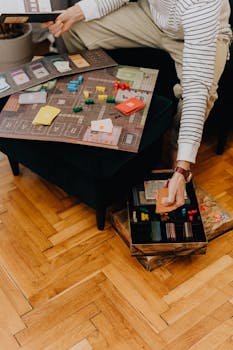
Resource Planning Skills for Strategy Games: Actionable Tactics for Success
You’ve probably felt stuck on a turn, calculating every move. Real progress in strategy games relies on the precision behind your resource planning skills. Each decision plants a seed for future success.
Players at every level benefit from understanding how thoughtful management unlocks new routes to victory. Planning ahead lets you convert tiny advantages into game-winning opportunities, especially under pressure.
If you’re ready for clearer tactics and fresh perspectives, these sections reveal hands-on ways to sharpen resource planning skills that apply across competitive strategy games.
Building a Strong Resource Management Foundation Improves Every Match
When you internalize basic rules, resource planning skills become second nature, freeing your mind for tactical improvisation and smarter moves. That confidence matters when the tension runs high.
Getting the foundation right means understanding what’s valuable and when to trade, save, or invest. Notice what seasoned players say: “Don’t spend everything at once, save for the crucial round.”
Recognizing Early Game Priorities and What’s Worth Risking
Early moves shape the entire match, so prioritize flexible resources that open options. In a tight opening, ask yourself, “What will buy me time?” rather than grabbing short-term gains.
Training resource planning skills here means learning to look two or three turns ahead, not just reacting to threats. Set clear targets for resource growth, then stick to those goals unless context shifts.
Adopt the habit: “Secure food, expand slowly, upgrade only what multiplies my future turns.” Repeat it, and your instincts improve with every game played.
Adapting to Different Resource Types in Complex Games
Many games divide resources into categories—raw materials, money, influence, or technology. Each calls for a unique balance. In Civilization-style matches, don’t let one resource lag far behind.
If an opponent rushes military, your strategy might shift to defensive investment. Train resource planning skills by practicing these pivots: allocate in thirds, but adjust when threat levels change significantly.
Test yourself: Shift your main resource focus every few matches to build comfort with flexible planning, not just memorizing one approach for all scenarios.
| Resource Type | Early Strategy | Mid-Game Focus | Key Takeaway |
|---|---|---|---|
| Gold/Currency | Save for upgrades | Invest in expansion | Balance costs, avoid overspending too early |
| Production/Materials | Build infrastructure | Reserve for crucial projects | Stagger large spends, avoid bottlenecks |
| Military Strength | Defend crucial points | Expand cautiously | Don’t neglect defense, watch for ambushes |
| Food/Population | Steady growth | Maintain stability | Plan for surges, avoid shortages |
| Research/Tech | Specialize early paths | Diversify options | Pace investments, match rivals’ tech speed |
Anticipating Opponent Moves and Mitigating Surprises Strengthens Your Planning
Reading another player’s intentions gives you tactical surface area—time to respond and shift priorities. Refining resource planning skills here turns guesswork into groundwork for smooth adaptation.
Learning to spot the smallest tells in game pacing—a sudden resource dump or slow turn—lets you prepare counters before the surprise hits. Respond with deliberate, evidence-based decisions.
Assessing Risk from Hidden Information
Multiple resource streams complicate predictions. Watch subtle shifts in opponents’ patterns: if someone delays a tech upgrade, they may be shifting focus.
Compare your pace to theirs using past turn logs. Resource planning skills mean you’ll forecast threats and manage your buildup to trap or defend.
- Monitor opponents’ spending for sudden shifts, then prepare counters. If they invest heavily in military, strengthen key assets and reinforce borders.
- Track uncollected resources left on the board; sometimes, others are baiting for a reaction. Stay cautious and don’t expend resources impulsively.
- Use chat or body language in face-to-face games. If an opponent seems nervous after spending, review why—they may have risked too much.
- Pattern-match from previous games. Recall how a player typically allocates late-game resources, then double-check if they repeat that pattern now.
- Have a fallback plan ready. State to yourself: “If they change strategy, I pivot to defense and slow growth until I see their long-term play clarified.”
Checking these clues keeps your planning sharp and reaction times low, so you maintain position even during a chaotic match shift.
Recognizing Patterns in Resource Use
Watching patterns lets you preemptively block rival strategies. Track when others break from their usual timing.
If you spot back-to-back high investments, reroute your focus to where you can capitalize. This flex keeps resource planning skills dynamic.
- Record sequence of upgrades and purchases after each turn. Compare trends to adjust your resources, preparing a defensive stack if you sense escalation.
- Shift gathering priorities when rivals accelerate collection of a crucial resource. For example, build a stronghold or invest in technology to counter advances.
- Use a resource tracker notepad for each player. Color code strengths and weaknesses. Adjust strategy: “Focus supply routes—deny them bonuses next round.”
- Break your own routine slightly every few turns, keeping other players guessing. This defensively masks where your main investment lies, buying precious time.
- If surprised, ask: “What resource did I miss tracking?” Note it, then update your checklist for later matches to close that gap for next time.
Practicing this routine transforms raw observation into reliable, repeatable reactions under pressure.
Prioritizing Upgrades and Expansion with Efficient Sequencing
Step-by-step sequencing turns resource planning skills from theory to practical action. A well-sequenced upgrade or expansion stretches each resource further every turn.
Start upgrades that unlock deeper synergies first, then chain secondary improvements only after you’ve ensured your economy stabilizes. This approach rewards patience.
The First-Move Advantage in Resource Sequencing
On your opening turns, map out exact steps for the first five decisions. For instance, “Upgrade mining, then train workers, then scout next region.”
This concrete plan multiplies your available responses later on. Resource planning skills shine brightest when each action supports the next phase in your game plan.
If a map bottleneck appears, pause to ask: “How will this affect turns 4-8?” Adjust by saving or redirecting resources to handle that early roadblock.
Balancing Quantity versus Quality in Upgrades
Choose between many small upgrades and fewer powerful ones. Both approaches can work—but consistency in your decision-making leads to fewer wasted resources over time.
If you pick quality, stick to power moves and time them after accumulating reserves. For quantity, invest early in scalable actions like building farms or expanding income.
Use this actionable script: “Prioritize any upgrade that multiplies return without straining secondary resources—avoid flashy, single-use investments until victory is in sight.”
Allocating Resources for Defense, Offense, and Growth in Each Stage
A strong player keeps a running tally of allocations—how much to defense, offense, or economic growth. Aligning resource planning skills to these scenarios brings focus.
Visualize a three-pronged slider, shifting a piece of your resources to match what’s needed most each round. Record allocation ratios in a notebook to see what delivers best results.
Scenario: Board Game with Hidden Enemy Actions
In a hidden movement board game, call out your rationale, “Defense at 40 percent, growth at 40 percent, offense at 20 percent—adjust if opponent appears aggressive.”
Your ability to recalculate ratios as turns reveal more information strengthens resilience against sudden threats and slow-building rival economies alike.
State this out loud each round to train focus: “Reassess each segment, allocate based on revealed risks, and avoid tunnel vision on one front.”
Checklist for Dynamic Allocation
Carry a small list with questions when playing unfamiliar scenarios:
- Review resource pools: Are any at risk of running out?
- Check opponent activity: Did anyone spike their allocation unexpectedly?
- Adjust ratios and plan next moves before executing a major upgrade.
- Leave extra resources in reserve until a threat or opportunity emerges.
- Write down what allocation worked (or failed) for post-game review.
This system keeps decision-making clear, even during fast-paced, high-pressure play where mistakes grow costly.
Maintaining Consistency with Real-Time Tracking Tools and Worksheets
Proactive tracking multiplies the value of any resource planning skills. Logging moves each turn provides concrete feedback for future matches, elevating learning and performance.
Viewing each resource pool as a bank account, you’d never manage finances without a ledger—bring the same discipline to your gameplay for sharper insights and decisions.
Sample Resource Tracking Table
| Turn | Resource Gained | Resource Spent | Running Total |
|---|---|---|---|
| 1 | 10 | 5 | 5 |
| 2 | 15 | 8 | 12 |
| 3 | 12 | 4 | 20 |
| 4 | 8 | 6 | 22 |
| 5 | 10 | 12 | 20 |
This log clarifies overspending habits and helps forecast shortages. Correct mistakes in future matches by reviewing which move led to a rapid depletion or surplus.
Adapting Strategies Mid-Game When Circumstances Shift Rapidly
No plan survives first contact with the enemy, so flexible resource planning skills are indispensable. Reevaluate every few turns as objectives shift or rivals accelerate.
Notice when opponents break the game’s rhythm—when that happens, set a five-turn reassessment rule: “Record key threats, current goals, update allocation for short-term survival.”
Scenario: Online Multiplayer Turning Point
You’re mid-game in an online match, and another player leaps ahead in points. Pull back and say, “Pause expansion, funnel resources into counterplay, recover after three turns.”
Track the exact turn things shifted so you can use that timeline in later games. Building resource planning skills means responding sharply, not flailing in panic.
Update your plan: “Every unusual event is a cue to pause and forecast returns versus risk.” The actionable insight: Schedule regular mini-reviews of strategy mid-match.
Boosting Team Coordination by Sharing Resource Plans Transparently
For co-op and team-based strategy games, syncing resource planning skills multiplies group effectiveness. Set up a shared notepad or group chat where each player reports planned spends weekly.
Teams who discuss distribution of upgrades, reinforcements, or economic goals win more—individual planning matters, but information-sharing wins wars and leagues.
Micro-Process for Team Resource Updates
Monday: Each member posts next three planned upgrades and current stockpiles.
Game Night: Before match, discuss contingencies—who can loan or cover shortfalls during emergencies.
Post-Match: Review what allocations worked, and identify one change to improve synergy for next round.
Elevating Your Play with Consistent Practice and Progressive Goal Setting
Resource planning skills grow with consistent, targeted practice. Break skill-building into small, measurable steps before moving on to more complex adaptions.
Pick one focus area each week—tracking, sequencing upgrades, or mid-game pivots—and log results. Incremental improvements stack quickly as you measure progress game by game.
- Practice rapid-fire allocation mini-drills, using a timer to enforce decision speed and reduce analysis paralysis.
- Record wins and losses with notes on resource missteps for honest feedback and adjustment.
- Set “one-change” goals after every session, applying a single adjustment next time.
- Compete in community matches, observing how others approach resource management and borrowing what works.
- Keep a visible chart tracking your biggest gains in resource retention and allocation accuracy each month.
Resource Planning Skills for Strategy Games: Practical Takeaways for Every Match
Practicing resource planning skills each session pays off more than just memorizing tips. Applying specific rules, logs, and sequences sharpens instinct and deepens game knowledge.
Every stage, from opening setup to the endgame, becomes a testbed for efficient resource management. Whether you play digital or tabletop games, these principles elevate your decision-making.
Let every match serve as a new chance to refine resource planning skills and enjoy the deeper layer of play they unlock—winning feels even sweeter when you know why it worked.